Introduction
Staying hydrated is one of the simplest ways to improve your overall health, yet many people struggle to drink enough water throughout the day. With busy schedules, long work hours, and easy access to sugary drinks, hydration often becomes an afterthought. At the same time, relying on disposable plastic bottles contributes significantly to environmental pollution.
Reusable water bottles have become the perfect solution for both problems. They make it easier to maintain healthy hydration habits while reducing plastic waste. However, choosing the right bottle is not as simple as it seems. Today’s market offers hundreds of options, including different materials, sizes, insulation types, lids, and specialized features. For many buyers, this variety can quickly become overwhelming.
This comprehensive guide will help you cut through the confusion.
In this ultimate water bottle buying guide, you’ll learn how different materials affect safety and taste, which features matter most for your lifestyle, and how to choose a bottle that supports your hydration habits. By the end, you’ll have the knowledge and confidence to select a water bottle that perfectly fits your needs, whether you’re heading to the office, the gym, or an outdoor adventure.
The Importance of Hydration and Why Your Bottle Matters
Why Hydration Is Essential for Your Health
Water plays a critical role in almost every function of the human body. In fact, the human body is made up of approximately 60% water, making hydration essential for maintaining physical and mental performance.
Proper hydration supports:
Energy levels – Even mild dehydration can cause fatigue and reduced stamina.
Cognitive function – Studies show that dehydration can affect concentration, memory, and mood.
Physical performance – Athletes and active individuals rely on proper hydration to maintain endurance and muscle function.
Skin health – Drinking adequate water helps support skin elasticity and overall appearance.
Despite these benefits, research suggests that many adults remain chronically underhydrated, often because they simply forget to drink water consistently throughout the day.
Understanding Water Bottle Materials: Health, Durability, and Taste
When choosing a reusable bottle, the material is one of the most important factors to consider. Different materials affect safety, durability, weight, taste, and temperature retention. Understanding these differences will help you choose the best bottle for your lifestyle while ensuring your drinking water remains clean and safe.
Below is a breakdown of the most common water bottle materials and how they compare in terms of health, performance, and everyday usability.
Stainless Steel Water Bottles

Stainless steel has become one of the most popular materials for reusable water bottles, especially for people who want durability and temperature control.
Most high-quality bottles are made of food-grade stainless steel, typically labeled 18/8 or 18/10. These numbers refer to the composition of chromium and nickel used in the metal. This combination makes the bottle resistant to rust, corrosion, and chemical reactions, ensuring that it does not leach harmful substances into your water.
Another major advantage is that stainless steel bottles often feature double-wall vacuum insulation, which helps keep drinks cold for up to 24 hours or hot for several hours. This makes them ideal for outdoor activities, commuting, or long workdays.
Pros
- Extremely durable and long-lasting
- Excellent insulation for hot and cold drinks
- Non-reactive and safe for drinking water
- Does not absorb flavors or odors
- Easy to clean and maintain
Cons
- Heavier than plastic or silicone bottles
- Can dent if dropped on hard surfaces
- Usually more expensive than other materials
For many users, stainless steel offers the best balance of safety, durability, and performance, making it a top choice for everyday hydration.
Glass Water Bottles
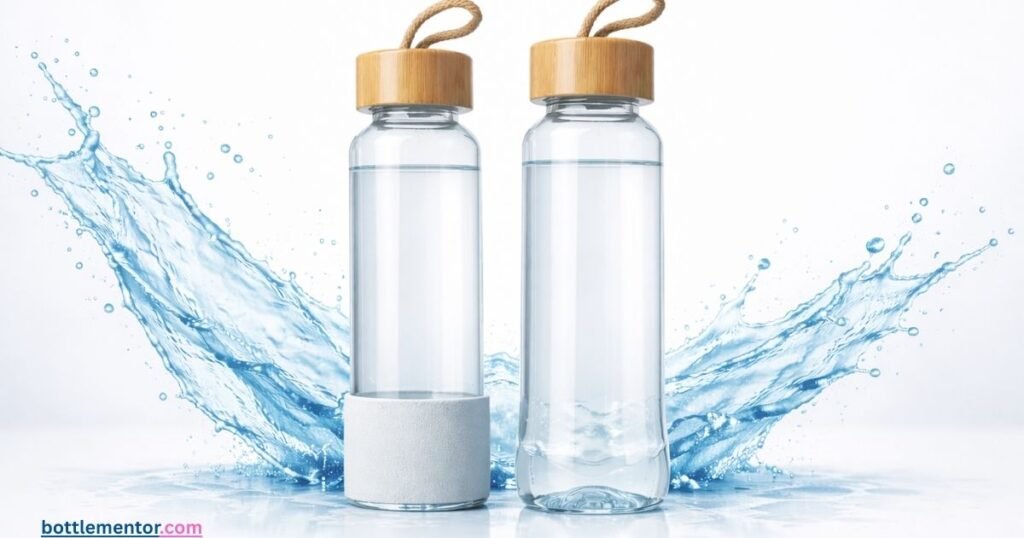
Glass water bottles are often preferred by people who want a completely chemical-free drinking experience. Unlike some other materials, glass is non-porous and non-reactive, meaning it will not absorb odors, flavors, or chemicals.
Because of this property, glass bottles provide the purest taste, making them ideal for people who are sensitive to flavor changes in water. They are also easy to clean and typically dishwasher safe.
However, glass bottles are more fragile than other options. Many brands include protective silicone sleeves to help prevent breakage and improve grip.
Pros
- Completely chemical-free and non-reactive
- No taste or odor transfer
- Easy to clean and maintain
- Visually appealing and eco-friendly
Cons
- Fragile compared to other materials
- Heavier than plastic bottles
- Often requires protective sleeves for safety
Glass bottles are a great option for home, office, or desk use, where durability is less of a concern.
Plastic Water Bottles
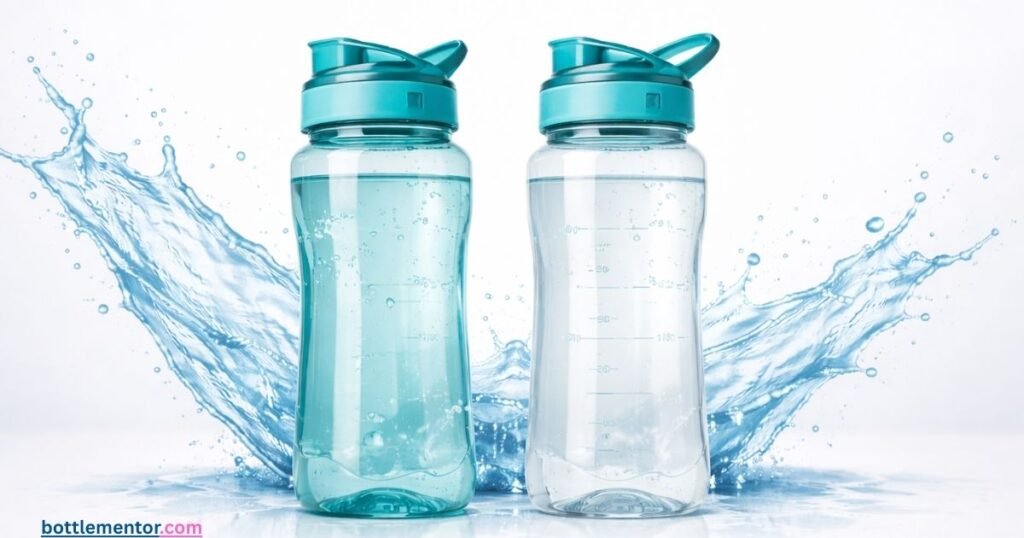
Plastic remains one of the most widely used materials for reusable water bottles, mainly because it is lightweight, affordable, and available in many designs.
Modern reusable bottles are typically made from BPA-free plastics, which means they do not contain bisphenol A, a chemical once commonly used in plastic production. BPA has been associated with potential health concerns related to hormonal disruption, which is why many manufacturers now use safer alternatives such as Tritan plastic.
While BPA-free plastics are widely considered safe by major health organizations, some consumers still prefer non-plastic materials due to concerns about taste transfer or environmental impact.
If safety is a priority, it’s important to choose bottles clearly labeled BPA-free and food-grade.
Pros
- Lightweight and easy to carry
- Affordable and widely available
- Durable and resistant to breaking
- Available in many colors and designs
Cons
- May retain odors or flavors over time
- Less durable than stainless steel or glass
- Environmental concerns arise if not recycled properly
If you want to learn more about the safest options available, check our guide on 5 Safest & Healthiest Water Bottles for expert recommendations on safer materials and plastic alternatives.
Silicone Water Bottles
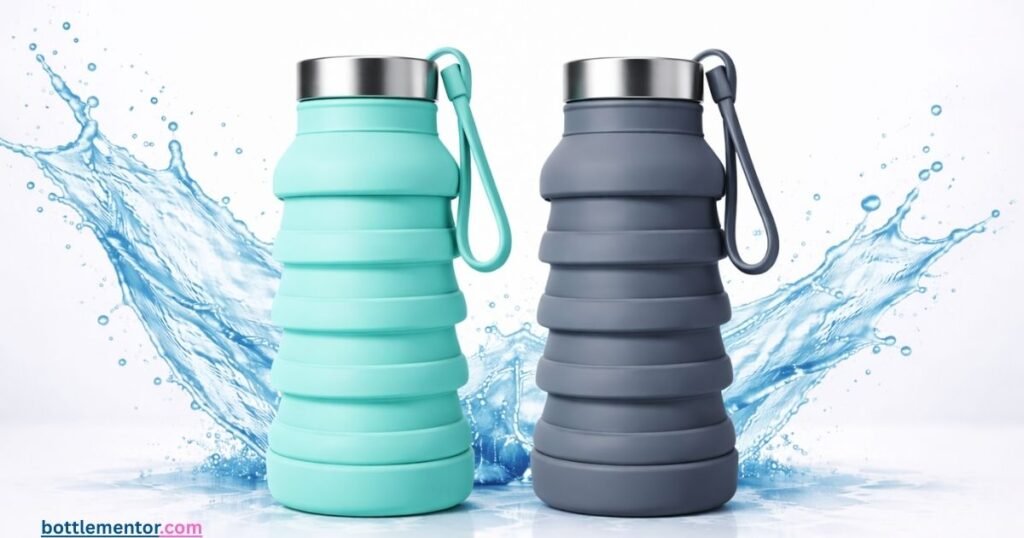
Silicone water bottles are becoming increasingly popular, especially among travelers and outdoor enthusiasts. These bottles are made from food-grade silicone, a flexible and durable material commonly used in kitchen products.
One of the biggest advantages of silicone bottles is their collapsible design, allowing them to fold or roll up when empty. This makes them extremely convenient for travel, hiking, and situations where saving space is important.
Although silicone bottles are safe and flexible, they typically offer less insulation than stainless steel bottles and may occasionally retain a slight taste.
Pros
- Lightweight and flexible
- Collapsible for easy storage
- Made from food-grade, safe materials
- Easy to clean and maintain
Cons
- Limited insulation capabilities
- May sometimes retain slight flavors
- Not as rigid or durable as steel bottles
Silicone bottles are particularly useful for travelers, hikers, and backpackers who need a portable and space-saving hydration solution.
Other Water Bottle Materials
Some water bottles are made from specialty materials, such as aluminum or hybrid materials that combine plastic and metal components. Aluminum bottles are lightweight and durable, but they typically require an internal lining to prevent the metal from reacting with liquids.
Filtered water bottles may also include carbon filters or purification systems, making them useful for outdoor activities where access to clean drinking water is limited.
Choosing the Right Material for Your Needs
Each material offers different advantages depending on how you plan to use your bottle.
- Stainless steel is ideal for durability and temperature control.
- Glass is perfect for pure taste and chemical-free hydration.
- Plastic offers lightweight convenience and affordability.
- Silicone is best for portability and travel.
Understanding these differences makes it much easier to choose a bottle that supports your hydration habits while matching your lifestyle and preferences.
How the Right Water Bottle Encourages Better Hydration
One of the easiest ways to improve hydration is by keeping a reusable water bottle within reach. Having a bottle nearby serves as a visual reminder to drink water regularly, helping you build healthier habits over time.
The right bottle can also make hydration more convenient and enjoyable. Features such as insulated designs keep water cold for hours, while straw lids or flip tops make it easier to take quick sips throughout the day.
When a water bottle fits your routine,e whether it sits on your desk, fits in your car cup holder, or travels in your gym bag, you’re far more likely to stay hydrated.
Environmental Benefits of Reusable Water Bottles
Choosing a reusable water bottle also helps reduce the environmental impact of single-use plastics.
Globally, millions of plastic bottles are discarded every minute, and many of them end up in landfills or oceans. Plastic waste can take hundreds of years to decompose, creating long-term environmental damage.
By switching to a reusable bottle, you can significantly reduce your plastic consumption while also saving money over time.
A Water Bottle as Part of Your Lifestyle
Today’s water bottles are more than just containers for drinking water. They have become lifestyle accessories that reflect personal preferences and daily routines.
Some people prefer sleek insulated bottles for office use, while others need durable bottles designed for outdoor adventures. Fitness enthusiasts may choose bottles with quick-access lids, while travelers might prefer collapsible designs that save space.
The best water bottle is not simply the most popular one it is the one that fits seamlessly into your lifestyle and encourages you to stay hydrated every day.
Maintenance and Care: Ensuring Longevity and Hygiene
- Warm soapy water, bottle brushes.
- Drying thoroughly to prevent mold.
- Baking soda and vinegar solutions.
- Denture tablets or specialized bottle cleaning tablets.
- Leaky lids, persistent odors, mineral buildup.
- Signs of wear and tear, material degradation, and hygiene concerns.
FAQ
Question 1:What is the safest water bottle material?
Answer: Generally, food-grade stainless steel and glass are considered the safest materials as they are non-reactive and do not leach chemicals. BPA-free plastics like Tritan are also widely used and considered safe, but some prefer to avoid plastics entirely.
Question 2:How often should I clean my water bottle?
Answer: It’s recommended to clean your water bottle daily, especially if you’re using it for anything other than plain water. Lids and straws should also be cleaned thoroughly to prevent mold and bacterial growth.
Question 3:Do insulated water bottles really keep water cold all day?
Answer: High-quality vacuum-insulated stainless steel water bottles can keep water cold for 12-24 hours or even longer, depending on the initial temperature of the water, the ambient temperature, and how often the bottle is opened.
Question 4:Are smart water bottles worth the investment?
Answer: Smart water bottles can be highly beneficial for individuals who struggle with consistent hydration or want to track their intake precisely. They provide reminders and often integrate with health apps, offering valuable data and motivation. Their worth depends on your personal hydration goals and budget.
Question 5:Can I put hot drinks in any water bottle?
Answer: No, only insulated water bottles made from materials like stainless steel are designed to safely hold hot liquids. Glass can crack from thermal shock, and many plastics can warp or leach chemicals when exposed to high temperatures. Always check the manufacturer’s recommendations.
Conclusion
Choosing the right water bottle may seem like a small decision, but it can have a meaningful impact on your daily hydration habits and overall lifestyle. As this guide has shown, the ideal bottle depends on several important factors, including material, key features, and intended use. Stainless steel, glass, plastic, and silicone bottles each offer unique advantages, while features like insulation, lid type, capacity, and portability can significantly affect how convenient your bottle is to use every day.
It’s also important to remember that the “best” water bottle is different for everyone. A bottle that works perfectly for office use might not be ideal for hiking or gym workouts. By understanding your personal needs whether it’s keeping drinks cold for long hours, choosing non-toxic materials, or finding a lightweight bottle for travel you can make a more confident and informed choice.
Making the right decision offers several long-term benefits. A well-chosen water bottle can encourage consistent hydration, support better health and energy levels, and reduce reliance on single-use plastic bottles. At the same time, it becomes a practical tool that fits seamlessly into your daily routine, whether you’re at work, exercising, commuting, or exploring the outdoors.
If you’re ready to find the bottle that best fits your needs, explore the detailed product reviews and recommendations linked throughout this guide. These curated guides compare top options across different categories, helping you quickly identify the best choices for your lifestyle.
Ultimately, staying hydrated should be simple, enjoyable, and sustainable. With the right water bottle by your side, maintaining healthy hydration habits can become an effortless part of your everyday life.

John is a drinkware product researcher who has personally tested 50+ reusable water bottles, tumblers, mugs, and filtration systems from leading brands. He focuses on real-world performance, durability, and safety to help readers choose drinkware that actually fits their daily hydration needs.