Introduction
Choosing the right water bottle shouldn’t be a gamble. Whether you’re an outdoor enthusiast hitting the trails, a student balancing school and activities, an office worker navigating long meetings, or a frequent traveller, a Nalgene bottle is often the go-to solution for reliable hydration. Known for their durability, non-toxicity, and practicality, Nalgene bottles have become a staple in the world of hydration. However, with so many sizes, materials, and lid types to choose from, finding the perfect fit for your needs can be a bit overwhelming.
Are you tired of water bottles that don’t fit in your car’s cup holder, or struggling to make it through your hike without running out of water halfway? Have you found yourself unable to decide between a 32oz or a 48oz bottle, unsure of which will fit best in your backpack or meet your hydration needs? If so, you’re not alone, and this guide is here to help. We’ll break down all the key features, sizes, and materials to give you the expert insights you need, clearing up any confusion. By the end of this article, you’ll have a solid understanding of how Nalgene bottles fit into your active lifestyle, ensuring that you’re always properly hydrated during your outdoor adventures, workday, or travel.
This isn’t just another water bottle comparison. We’re here to bridge the gap between technical specifications and real-world functionality, offering actionable advice on choosing the right bottle for your needs. Trust us to provide clear, unbiased recommendations that will make your decision-making process much easier, helping you select the ideal Nalgene bottle tailored to your everyday hydration needs. Whether you’re headed to the mountains or the office, we’ve got you covered with all the details you need to stay hydrated comfortably and efficiently.
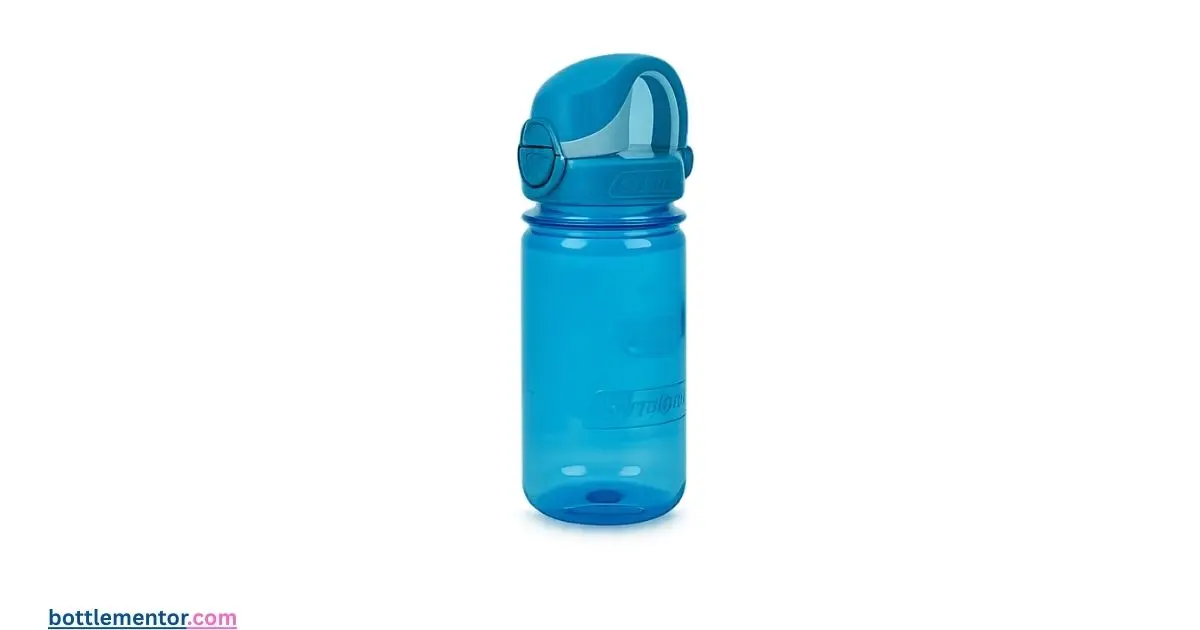
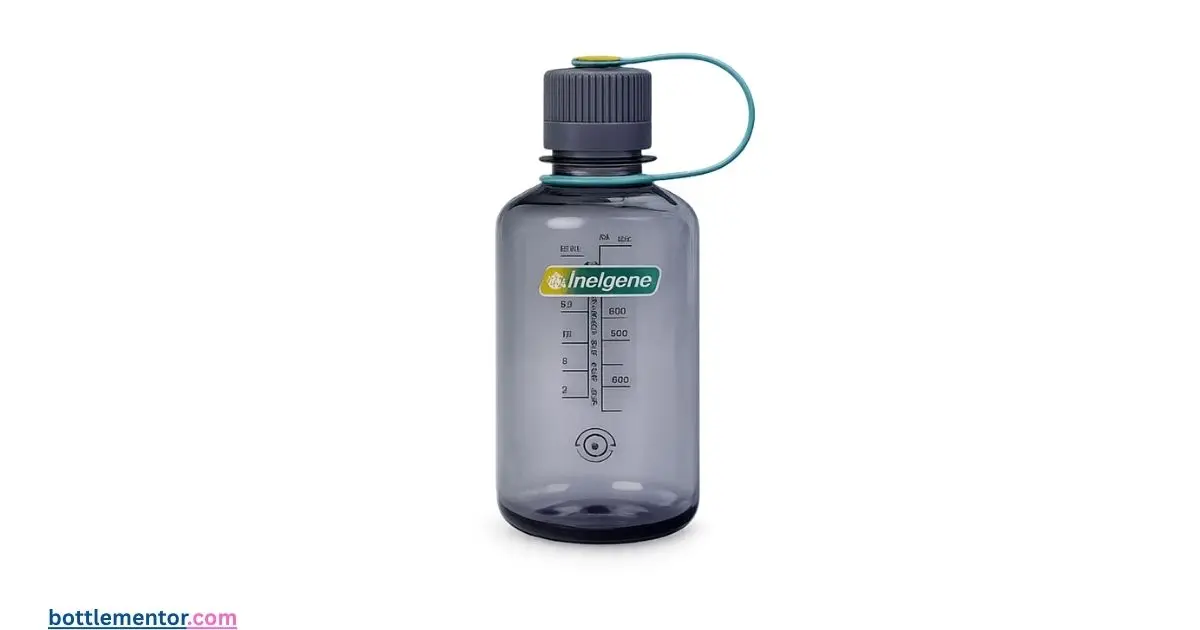
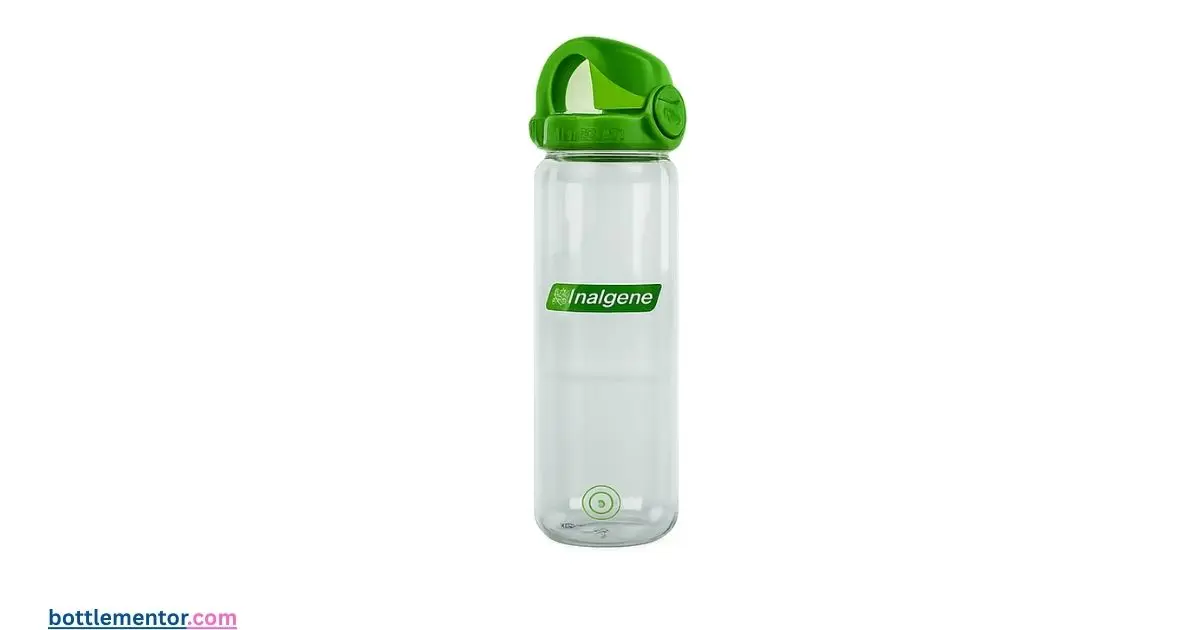
| Nalgene 12 oz | Nalgene 16 oz | Nalgene 24 oz | |
|---|---|---|---|
|
|
|
|
| Price | $17 | $15 | $18 |
| Weight (oz.) |
4.1 | 3.8 | 4.8 |
| Best For | Kids / Short Trips | Everyday Use | Gym / Travel |
Understanding Nalgene Materials: Tritan vs. Sustain
Nalgene has built a strong reputation for producing water bottles that are not only durable but also free from harmful chemicals, ensuring your hydration remains safe and secure. However, not all Nalgene bottles are created equal, as the brand offers different material options, most notably Tritan and Sustain. Understanding these materials is essential for choosing the right bottle for your specific needs, whether you’re hiking, commuting, or just staying hydrated throughout the day.
Tritan Plastic (Original & Classic)
Properties: Nalgene’s classic Tritan plastic is known for its high durability, impact resistance, and lightweight design. It’s crystal clear, making it easy to see how much water you have left, and it’s resistant to odours and stains, two common complaints with many plastic bottles. This makes Tritan an ideal choice for outdoor enthusiasts and everyday users alike.
BPA/BPS-Free: One of the key selling points of Nalgene’s Tritan bottles is that they are BPA/BPS-free. This underscores Nalgene’s commitment to health and safety. Tritan is free from harmful chemicals like BPA (Bisphenol A), BPS (Bisphenol S), and phthalates, making it a safe option for those concerned about chemical leaching and potential health risks.
Manufacturing Process: Nalgene’s manufacturing process is rigorous, contributing to the toughness and longevity of its Tritan bottles. From the initial plastic moulding to the finishing touches, quality control measures ensure each bottle meets the brand’s high standards. The result is a bottle that resists cracking, maintains its clarity, and lasts for years of regular use.
Common Applications: Tritan is the go-to choice for a wide range of applications. Whether you’re hiking in the mountains, heading to the gym, or working at your desk, its durability and resistance to everyday wear and tear make it an excellent all-around option.
Sustain Plastic (Eco-Conscious Choice)
Properties: Sustain plastic shares many of the same qualities as Tritan, durability, clarity, and impact resistance,e but adds an eco-conscious twist. It offers the same level of performance while helping reduce environmental impact.
Environmental Considerations: Sustain is made from 50% certified recycled content derived from plastic waste. This supports a circular economy and reduces the demand for new plastic production.
Nalgene’s Green Footprint: Sustain is part of Nalgene’s commitment to creating long-lasting, environmentally friendly products. Despite using recycled materials, it does not compromise on quality.
Performance Comparison: Sustain delivers the same strength, durability, and performance as Tritan, so you don’t sacrifice quality for sustainability.
Detailed Breakdown of Popular Nalgene Sizes
Choosing the right Nalgene bottle isn’t just about capacity; it’s about how that capacity translates into real-world usability, portability, and your hydration needs.
Understanding Key Metrics
- Capacity: Amount of liquid (oz/ml)
- Height & Diameter: Determines fit in holders, bags, or pockets
- Empty Weight: Important for travel and hiking
- Mouth Type: Wide (easy cleaning) vs Narrow (less splashing)
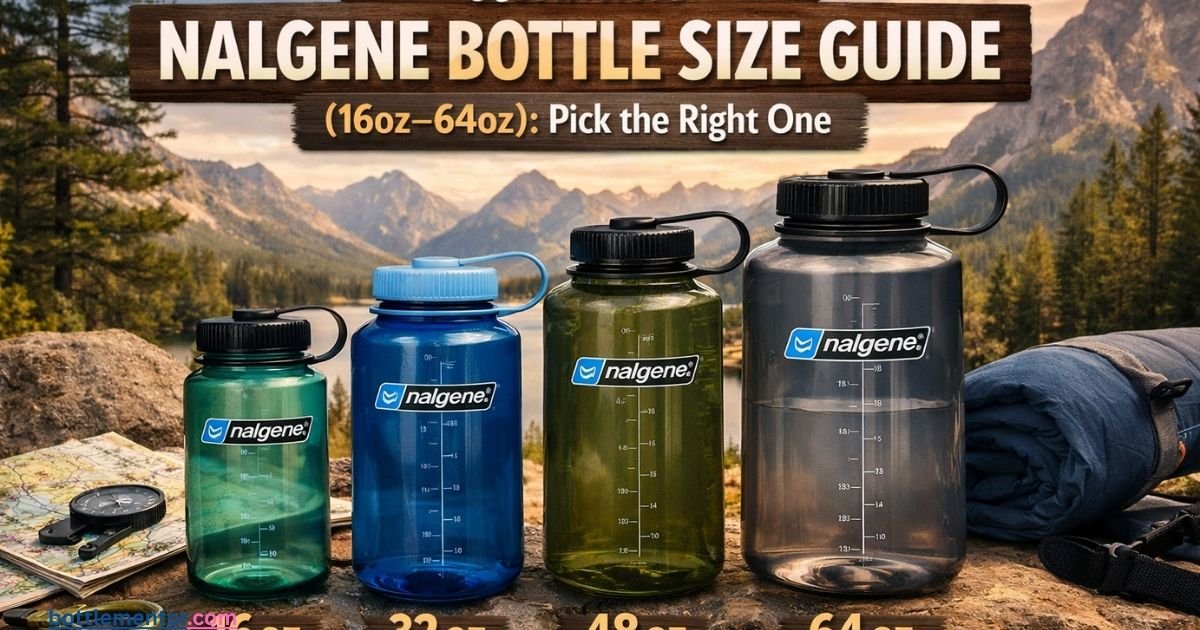
| Model (e.g., Wide Mouth) | Capacity (oz/ml) | Height (inches/cm) | Diameter (inches/cm) | Empty Weight (oz/g) | Mouth Opening (inches/cm) | Ideal Use Cases |
| Wide Mouth 16oz | 16oz / 500ml | 6.5″ / 16.5cm | 2.75″ / 7cm | 3.1oz / 88g | 2.1″ / 5.3cm | Short commutes, kids’ bottles, gym, small bags, travel (post-security refills). |
| Narrow Mouth 16oz | 16oz / 500ml | 6.5″ / 16.5cm | 2.75″ / 7cm | 3.1oz / 88g | 1.5″ / 3.8cm | Short commutes, kids’ bottles, gym, small bags, travel (post-security refills), splash-free drinking. |
| On-The-Go (OTG) 24oz | 24oz / 700ml | 9″ / 23cm | 2.75″ / 7cm | 4.6oz / 130g | 2.1″ / 5.3cm | Daily office, gym, short day trips, car cup holders (check dimensions), cycling. |
| Wide Mouth 32oz | 32oz / 1000ml | 8.25″ / 21cm | 3.5″ / 8.9cm | 6.2oz / 176g | 2.1″ / 5.3cm | Day hikes, general daily hydration, camping, backpacking, gym, most versatile. |
| Narrow Mouth 32oz | 32oz / 1000ml | 8.25″ / 21cm | 3.5″ / 8.9cm | 6.2oz / 176g | 1.5″ / 3.8cm | Day hikes, general daily hydration, camping, backpacking, gym, splash-free drinking. |
| Silo 48oz | 48oz / 1500ml | 11.25″ / 28.6cm | 3.5″ / 8.9cm | 8.4oz / 238g | 2.1″ / 5.3cm | Multi-day backpacking, base camp, emergency water storage, and large group hydration. |
| Wide Mouth 64oz | 64oz / 2000ml | 10.5″ / 26.7cm | 4.5″ / 11.4cm | 10.3oz / 292g | 2.1″ / 5.3cm | Multi-day backpacking, base camp, emergency water storage, large group hydration. |
| Nalgene Flask 12oz | 12oz / 350ml | 6″ / 15.2cm | 3.75″ / 9.5cm | 2.4oz / 68g | 1.1″ / 2.8cm | Compact hydration, fits in pockets, specific small bag needs. |
Nalgene 16oz (0.5L)
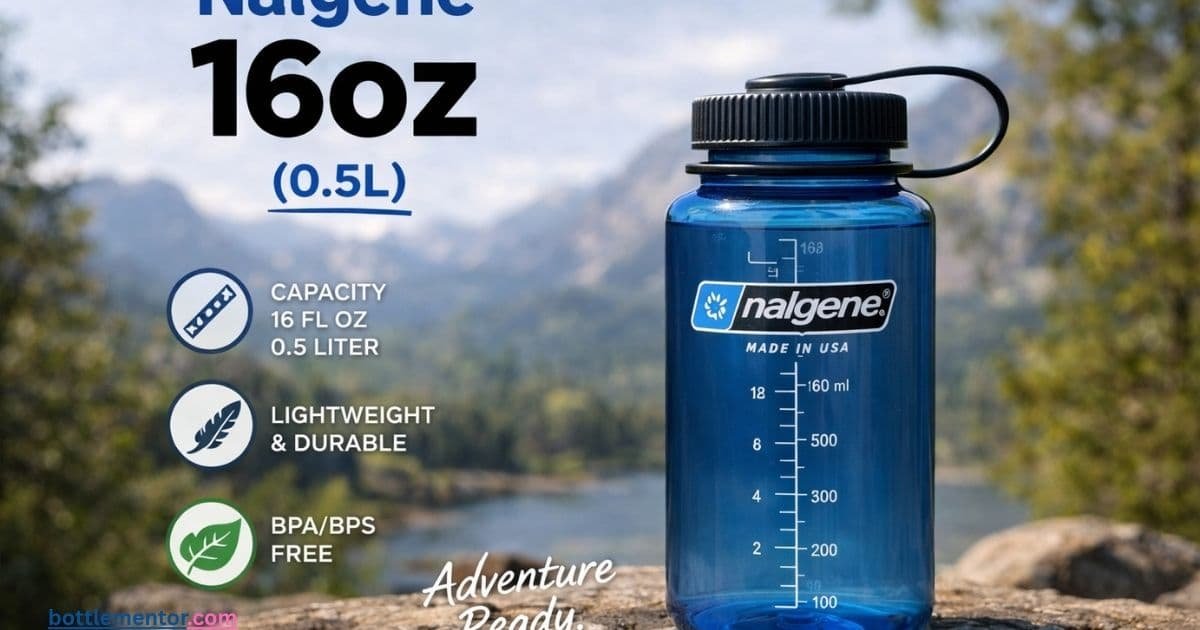
Pros: Compact, lightweight, fits cup holders
Cons: Requires frequent refills
Use Cases: Kids, short commutes, gym, travel
Nalgene 24oz (0.75L)
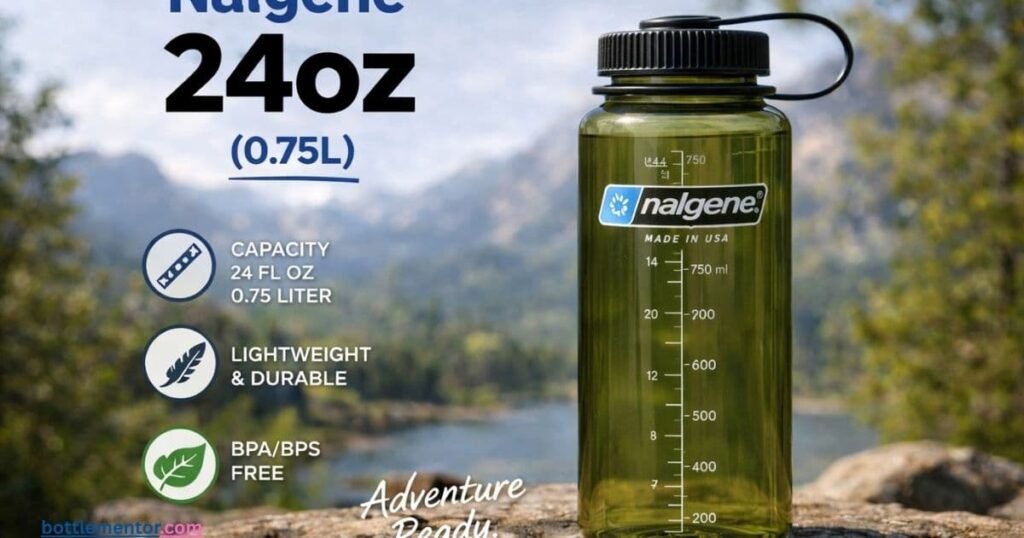
Pros: Balanced size and portability
Cons: May still need refills
Use Cases: Office, gym, short trips
Nalgene 32oz (1L)
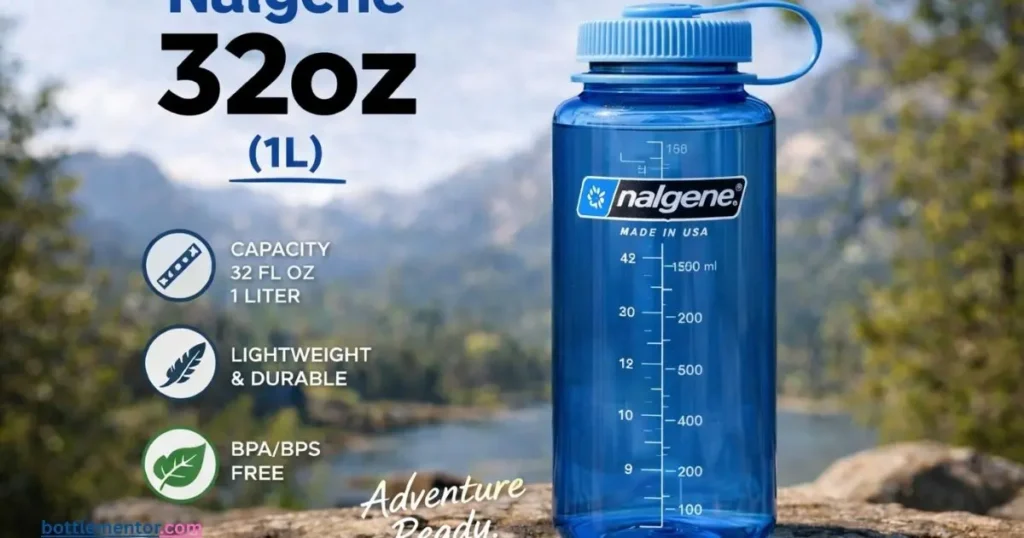
Pros: Most versatile, great capacity
Cons: May not fit small holders
Use Cases: Hiking, gym, daily hydration
Nalgene 48oz (1.5L)
Pros: High capacity
Cons: Bulkier and heavier
Use Cases: Long hikes, desk hydration
Nalgene 64oz (2L)
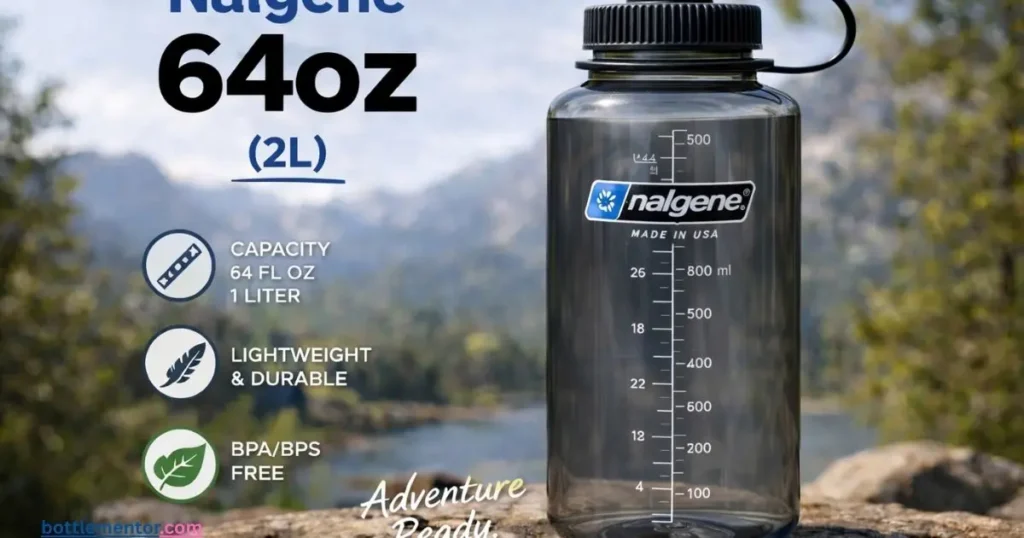
Pros: Maximum capacity
Cons: Very bulky and heavy
Use Cases: Camping, group use, emergency storage
Speciality Sizes (12oz Flask)
Compact and portable, best as a secondary bottle.
Factors to Consider When Choosing Your Nalgene Size
1. Intended Activity & Duration
- Short use → 16oz–24oz
- Daily use → 32oz
- Long trips → 48oz–64oz
2. Portability & Compatibility
Check fit in:
- Backpack pockets
- Car cup holders
- Gym bags
3. Hydration Requirements
Depends on:
- Activity level
- Climate
- Personal needs
4. Ease of Cleaning
- Wide mouth → easier
- Narrow mouth → harder
5. Weight Considerations
Larger bottles = heavier when full
6. Environmental Impact
Sustain line = eco-friendly choice
Nalgene Bottle Types & Features
Wide Mouth
Versatile, easy to clean, fits filters
Drawback: can splash
Narrow Mouth
Controlled drinking, fewer spills
Drawback: harder to clean
On-The-Go (OTG)
Convenient, one-handed use
Drawback: smaller capacity
Silo
Large capacity, less refilling
Flask
Ultra-compact, limited use
Kid’s Bottles
Small, durable, and easy for children
Lid and Cap Options
Loop-Top Cap
Secure, easy to carry
Flip-Top / OTG Cap
Quick, one-handed access
Splash Guards
Reduces spills for wide-mouth bottles
Other Options
- Straw lids
- Filter lids
Care and Maintenance
Daily Cleaning
Wash with warm water and mild soap
Deep Cleaning
Use baking soda and vinegar
Proper Drying
Air dry fully with the lid off
Temperature Use
Avoid extreme heat and overfilling when freezing
Storage
Keep the lid off in a dry area
FAQ
What size is a Nalgene bottle?
Nalgene bottles come in multiple sizes, most commonly 500 ml (16 oz), 1 litre (32 oz), and 1.5 liters.
Are Nalgene bottles 1L?
Yes, the most popular Nalgene bottle size is 1 litre (32 oz), but smaller and larger options are also available.
How big is a 500 ml Nalgene bottle?
A 500 ml Nalgene holds half a litre (16 oz), making it compact and easy to carry for short trips or daily use.
How many litres is 1 Nalgene?
A standard Nalgene bottle typically holds 1 litre, though sizes can range from 0.5 to 1.5 litres.
Is 500 ml big or small?
500 ml is considered small to medium good for light use, but may need frequent refills during long activities.
What size is a 500 ml water bottle?
A 500 ml water bottle equals half a litre or about 16 ounces, roughly the size of a standard small disposable bottle.
Conclusion: Choose the Nalgene That Matches How You Actually Live
Most people overthink bottle features and still end up choosing the wrong size. Why? Because they focus on specs instead of how they actually use the bottle day-to-day.
Here’s the reality:
The “perfect” Nalgene isn’t the most popular one it’s the one that fits your routine without friction.
What Actually Matters (Cut Through the Noise)
- Durability isn’t optional
Nalgene’s Tritan and Sustain materials are built to last. That’s a given. The real question is whether you maintain it properly. - Size is everything
Too small → constant refills
Too big → you stop carrying it
The wrong size kills consistency, and consistency is the whole point of hydration. - Lid choice affects daily use more than you think
Wide mouth = flexibility
Narrow mouth / OTG = control and convenience
Pick wrong, and you’ll feel it every single day. - Maintenance determines lifespan
A neglected bottle becomes useless fast. A well-maintained one lasts for years.
Stop Guessing, Pick Based on Your Reality
Forget generic recommendations. Use this:
If you’re a commuter or student:
Go for 16oz–24oz (Narrow Mouth or OTG)
You need portability, spill control, and something that fits in a bag or cup holder—nothing bulky.
If you’re hitting the gym or doing short hikes:
Choose 32oz Wide Mouth
It’s the most balanced option, with enough capacity without becoming annoying to carry.
If you’re backpacking or constantly outdoors:
Go for a 48-oz Silo or a 64-oz Wide Mouth
You don’t want to rely on frequent refills. Capacity matters more than convenience here.
If sustainability is your priority:
Pick any size from the Sustain line
Same performance, lower environmental impact. No excuse not to choose it.
If you’re buying for kids:
Use Nalgene Kids bottles
Anything else is impractical. Adult sizes don’t work for smaller hands.

John is a drinkware product researcher who has personally tested 50+ reusable water bottles, tumblers, mugs, and filtration systems from leading brands. He focuses on real-world performance, durability, and safety to help readers choose drinkware that actually fits their daily hydration needs.