Finding the perfect water bottle sounds simple until you start looking. Stainless steel or plastic? Insulated or lightweight? Straw lid or chug lid? 24 oz, 32 oz, or 40 oz? With so many choices, it is easy to feel overwhelmed.
But the right water bottle is more than just a container. It becomes part of your daily routine. It helps you stay hydrated at work, during workouts, while traveling, at school, on hikes, and even at home. A good bottle can keep your drink cold, prevent leaks in your bag, reduce single-use plastic waste, and make drinking water feel effortless.
Hydration matters because water supports key body functions such as temperature regulation, joint lubrication, tissue protection, and waste removal. Your body may also need more water during hot weather, physical activity, fever, vomiting, or diarrhea.
This guide will help you cut through the noise and choose the best water bottle for your needs. We will cover materials, insulation, size, lid types, cleaning, durability, value, and the best bottle styles for different lifestyles.
By the end, you will know exactly what to look for and what to avoid before buying your next reusable water bottle.
Why the Right Water Bottle Matters for Your Lifestyle
A water bottle may seem like a small purchase, but it can have a big impact on your health, habits, budget, and environmental footprint.
1. Better Hydration Habits
Most people drink more water when they keep a bottle nearby. A bottle on your desk, in your car, or in your gym bag acts as a visual reminder to drink throughout the day.
The best water bottle is the one you actually use. That means it should match your routine. If you hate heavy bottles, a large stainless steel bottle may sit unused. If you are always on the move, a leak-proof bottle with a carry loop may be more practical. If you prefer cold water, an insulated bottle can make hydration more enjoyable.
2. Less Dependence on Single-Use Plastic
Reusable bottles help reduce reliance on disposable plastic bottles. Plastic pollution affects ecosystems, livelihoods, food systems, and human well-being, and the broader risks of plastics are closely linked with climate change, ecosystem damage, and resource use.
A reusable water bottle is not a perfect solution by itself, but it is a simple daily habit that can reduce unnecessary waste over time.
3. Long-Term Cost Savings
Buying bottled water every day adds up quickly. A quality reusable bottle may cost more upfront, but it can save money over months and years. This is especially true if you regularly buy bottled water at work, school, the gym, airports, gas stations, or convenience stores.
4. Convenience and Performance
The right bottle can make your day easier. A slim bottle fits a car cup holder. A straw lid helps you drink while driving or working. A wide mouth makes it easy to add ice. A vacuum-insulated bottle keeps drinks cold for hours. A collapsible silicone bottle saves space while traveling.
The goal is not to buy the most expensive bottle. The goal is to buy the bottle that solves your real hydration problems.
Key Factors to Consider When Choosing a Water Bottle
Before choosing a bottle, think about how you will use it most often. Are you buying it for everyday carry, workouts, school, hiking, office use, commuting, or travel? Your ideal choice depends on material, size, lid design, insulation, weight, and cleaning needs.
1. Material Matters: Understanding Your Options
Water bottle material affects taste, weight, durability, insulation, cleaning, safety, and price. The four most common options are stainless steel, plastic, glass, and silicone.
Stainless Steel Water Bottles
Stainless steel bottles are among the most popular choices because they are durable, reusable, and often insulated. Many premium bottles use 18/8 food-grade stainless steel, which is known for corrosion resistance and everyday durability.
Pros of Stainless Steel Bottles
Stainless steel is strong, long-lasting, and resistant to flavor transfer. It does not usually hold onto smells the way some plastics can. When paired with double-wall vacuum insulation, it can keep drinks cold or hot for hours.
Stainless steel is also a good choice for people who want a bottle that can handle travel, school bags, gym floors, camping trips, and daily use.
Cons of Stainless Steel Bottles
The main downside is weight. Stainless steel bottles are usually heavier than plastic or silicone bottles. They can also dent if dropped. Premium insulated versions may cost more than basic plastic bottles.
Best For
Stainless steel is best for everyday use, office hydration, school, outdoor adventures, travel, and anyone who wants strong insulation and durability.
BPA-Free Plastic Water Bottles
Plastic bottles are lightweight, affordable, and easy to carry. Many modern reusable plastic bottles are labeled BPA-free, meaning they do not contain Bisphenol A.
The FDA says its current perspective, based on its most recent safety assessment, is that BPA is safe at the current levels occurring in foods, while it continues to review scientific evidence.
Still, many consumers prefer BPA-free bottles for peace of mind.
Pros of Plastic Bottles
Plastic bottles are light, budget-friendly, shatter-resistant, and often transparent. This makes it easy to see how much water you have left. They are also common for gym, school, kids, and sports.
Cons of Plastic Bottles
Some plastic bottles can retain odors or flavors, especially if used for sports drinks, juice, or flavored water. They usually do not insulate well unless they have a special design. Plastic can also scratch over time, and scratches may make cleaning harder.
Microplastics are another concern for many buyers. Researchers have found tiny plastic particles in bottled water, although the long-term health impact of nanoplastics and microplastics is still being studied.
Best For
BPA-free plastic bottles are best for gym use, kids, school, budget buyers, and anyone who wants a lightweight bottle.
Glass Water Bottles
Glass bottles are loved for their clean taste. They do not hold flavors, odors, or stains easily, and they feel premium.
Pros of Glass Bottles
Glass gives the purest drinking experience. Water tastes fresh, and the bottle is easy to clean. Glass is also recyclable and does not contain BPA.
Cons of Glass Bottles
Glass is heavier and more fragile than plastic or stainless steel. Many glass bottles come with silicone sleeves to improve grip and reduce breakage risk, but they still require more care.
Expert Tip
Choose a glass bottle with a thick silicone sleeve if you plan to use it outside the home. The sleeve improves grip, protects against small bumps, and makes the bottle easier to hold.
Best For
Glass bottles are best for home, office, desk use, and people who care most about pure taste.
Silicone Collapsible Water Bottles
Silicone bottles are flexible, lightweight, and often collapsible. They are designed for portability.
Pros of Silicone Bottles
Silicone bottles save space. You can collapse them after drinking, making them useful for travel, hiking, camping, and flights. They are also shatterproof and lightweight.
Cons of Silicone Bottles
Silicone bottles are usually less rigid, which some people dislike. They may be harder to clean depending on the shape. They also do not provide strong insulation.
Best For
Silicone bottles are best for travel, backpacking, hiking, camping, and minimal packing.
Water Bottle Material Comparison Table
| Feature | Stainless Steel | BPA-Free Plastic | Glass | Silicone Collapsible |
| Durability | High | Medium | Low to medium | High flexibility |
| Insulation | Every day, outdoor, office | Low | None | Low |
| Taste Transfer | Very low | Can retain taste | Very low | Can retain taste |
| Weight | Medium to heavy | Light | Heavy | Very light |
| Eco-Friendliness | High when reused long-term | Medium | High | High when reused |
| Cleaning Difficulty | Easy to medium | Easy, but scratches matter | Easy | Medium |
| Price Range | Mid to high | Low to mid | Mid | Low to mid |
| Best Use | Everyday, outdoor, office | Gym, kids, school | Home, office | Travel, hiking |
2. Insulation Technology: Keeping Your Drink Just Right
Insulation is one of the biggest reasons people upgrade from a basic bottle to a premium one.
Vacuum-Sealed Double-Wall Insulation
A double-wall insulated bottle has two layers of metal with a vacuum space between them. This vacuum reduces heat transfer, helping cold drinks stay cold and hot drinks stay hot.
Heat normally moves through conduction, convection, and radiation. Vacuum insulation limits conduction and convection because there is very little matter between the two walls to transfer heat. Some bottles also use reflective inner layers to reduce radiant heat transfer.
Benefits of Insulated Bottles
An insulated water bottle is ideal if you want:
- cold water during hot weather
- ice that lasts for hours
- hot tea or coffee on the go
- no condensation on the outside
- Better drink temperature during travel or workouts
If you want a deeper comparison of high-performing insulated bottles, add an internal link here:
The Ultimate Guide to Insulated Water Bottles: 7 Top Performers Personally Tested & Reviewed
Single-Wall Construction
Single-wall bottles have only one main layer. They are usually lighter, cheaper, and simpler. They are a good choice if you do not need temperature control.
Best For
Single-wall bottles work well for gym bags, hiking when weight matters, kids’ bottles, short outings, and budget-friendly everyday use.
3. Size and Capacity: Finding Your Perfect Volume
Bottle size affects portability, weight, refill frequency, and daily hydration habits.
Small Bottles: 12–24 oz
Small bottles are easy to carry and fit well in bags, lunchboxes, and cup holders. They are good for kids, short errands, quick workouts, and people who prefer lightweight carry.
Best For
- kids
- short commutes
- small bags
- minimalist everyday carry
- coffee or tea use
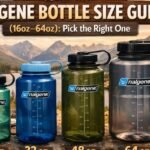
Medium Bottles: 24–32 oz
This is the sweet spot for many people. A 24 oz to 32 oz bottle gives enough water for several hours without becoming too heavy.
Best For
- office use
- gym sessions
- school
- daily errands
- general everyday hydration
Owala Size Showdown: Finding Your Perfect 24, 32, or 40 oz FreeSip Water Bottle
Large Bottles: 32–64 oz+
Large bottles are for people who want fewer refills or have higher hydration needs. They are popular for outdoor work, long hikes, road trips, intense workouts, and all-day use.
Best For
- long hikes
- outdoor jobs
- athletes
- long travel days
- people tracking water goals
The trade-off is weight. A large bottle filled with water can feel bulky, especially if it is stainless steel.
Portability and Fit
Before buying a bottle, check whether it fits your daily environment.
Ask yourself:
- Will it fit in my car cup holder?
- Will it fit in my backpack’s side pocket?
- Is it easy to carry while walking?
- Is it too tall for my office desk or bag?
- Can I hold it comfortably with one hand?
Slim bottles are better for commuting and driving, while wider bottles are often easier to clean and better for adding ice.
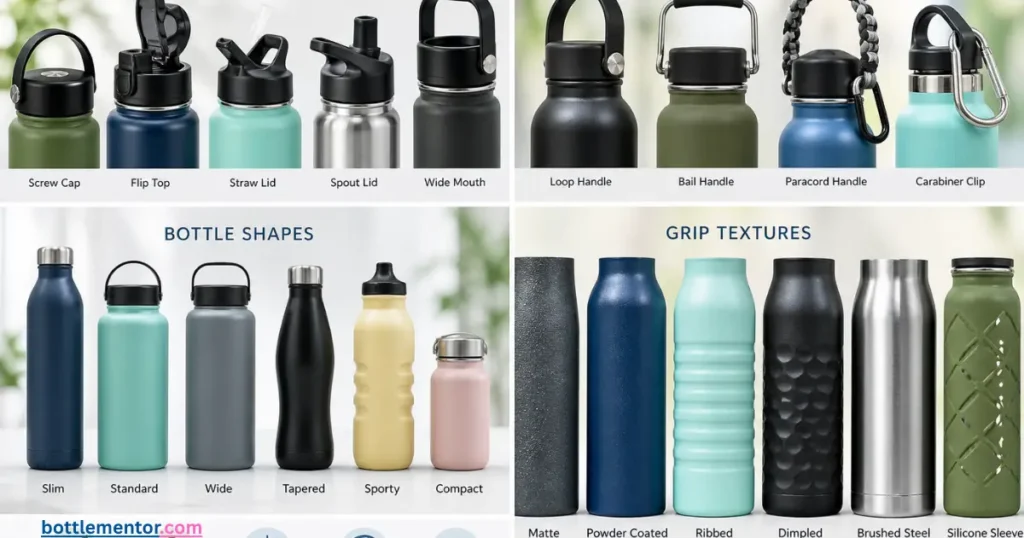
4. Lid and Opening Type: Drink Smarter
The lid can make or break your water bottle experience. A great bottle with the wrong lid may become annoying fast.
Straw Lids
Straw lids are convenient because you can drink without tilting the bottle. They are great for driving, working, walking, and gym workouts.
Best For
- gym
- desk use
- driving
- kids
- people who sip frequently
Watch Out For
Straws need regular cleaning. Mold and buildup can form inside small parts if they are not washed properly.
Chug Lids
Chug lids have a larger drinking opening, making it easy to drink quickly. They are great for workouts, sports, and hot days.
Best For
- athletes
- gym sessions
- outdoor activities
- fast hydration
Wide-Mouth Lids
Wide-mouth bottles are easy to clean and easy to fill with ice. They are practical for people who use bottle brushes or add fruit, electrolytes, or ice cubes.
Best For
- easy cleaning
- adding ice
- outdoor use
- insulated bottles
Narrow-Mouth Lids
Narrow-mouth bottles are easier to drink from while walking or commuting. They reduce splashing and spills.
Best For
- commuting
- kids
- walking
- travel
Spout Lids and Hybrid Lids
Some bottles use hybrid lids that let you sip through a straw or chug through a wider opening. Owala’s FreeSip-style lids are a popular example of this design.
Best For
- people who want versatility
- everyday carry
- gym plus office use
- users who switch between sipping and chugging
Screw-Top Lids
Screw-top lids are simple, secure, and reliable. They are less convenient for quick drinking but often very leak-resistant.
Best For
- travel
- bags
- hiking
- simple daily use
Expert Tip
No matter which lid you choose, prioritize a secure, leak-proof seal. A bottle that leaks in your bag is not worth it, even if it looks stylish.
5. Design and Ergonomics: Comfort and Functionality
A bottle should feel good in your hand and fit naturally into your routine.
Handles and Carry Loops
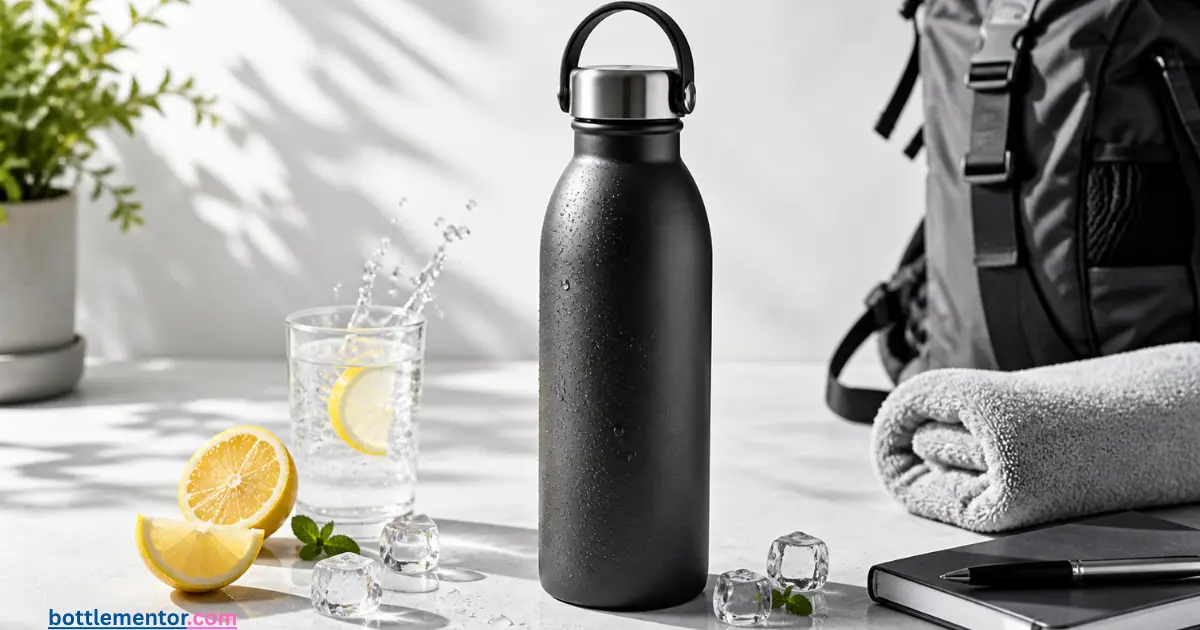
A handle or loop makes a big difference if you carry your bottle while walking, commuting, hiking, or going to the gym. Some bottles have rigid handles, while others have flexible loops.
Grip and Texture
Smooth bottles can slip, especially when wet. Textured powder-coated finishes, silicone sleeves, and shaped grips make bottles easier to hold.
Base Design
A stable base prevents tipping on desks, gym floors, and bedside tables. A slim base may fit cup holders better, but very narrow bottles can tip more easily.
Aesthetics
Looks are not everything, but they matter. If you like how your bottle looks, you are more likely to carry it. Color, finish, shape, and brand style can all influence daily use.
6. Durability and Leak-Proofing: Built to Last
A durable bottle should survive everyday drops, bag movement, and regular washing.
What to Check
Look for:
- strong material
- solid lid hinge
- reliable silicone seals
- dent-resistant construction
- strong handle attachment
- good brand warranty or leak-proof claim
Drop Resistance
Plastic and silicone bottles usually handle drops without denting. Stainless steel bottles can dent but often remain usable. Glass bottles need the most care, even with a sleeve.
Leak-Proof Guarantee
A leak-proof bottle is essential if you plan to put it in a backpack, purse, gym bag, or laptop bag. Always check whether the leak-proof claim applies when the bottle is closed, locked, or upright only.
Some lids are leak-proof only when the spout is fully closed. Others include lock buttons or safety covers.
7. Ease of Cleaning and Maintenance
A bottle that is hard to clean may quickly become unpleasant to use.
Wide Mouth vs. Narrow Mouth
Wide-mouth bottles are easier to clean with a brush. Narrow-mouth bottles may be easier to drink from, but they can be harder to scrub inside.
Dishwasher-Safe Components
Some bottles are fully dishwasher-safe. Others allow only the lid or straw to go in the dishwasher. Many vacuum-insulated stainless steel bottles are hand-wash only because high dishwasher heat may affect the finish or insulation seal.
Always check the manufacturer’s care instructions.
Odor and Stain Resistance
Glass and stainless steel are usually best for resisting odors and stains. Plastic and silicone may hold flavors longer, especially if used with sports drinks, fruit infusions, coffee, or flavored powders.
Expert Cleaning Tip
Use a bottle brush for the body, a straw brush for straws, and a small detail brush for lid grooves and silicone seals. Most odor problems start in the lid, not the bottle body.
8. Price and Value: Balancing Cost and Features
The best water bottle is not always the most expensive one. Value depends on how well the bottle fits your needs and how long it lasts.
Budget-Friendly Bottles
Budget bottles are usually plastic or basic stainless steel. They are good for simple hydration, kids, school, gym, and backup bottles.
What to Expect
- basic lid design
- limited insulation
- lighter materials
- fewer premium features
Mid-Range Bottles
Mid-range bottles often offer the best balance. You can find good insulation, better lids, stronger materials, and more stylish designs without paying premium prices.
Best For
Most everyday users should start here.
Premium Bottles
Premium bottles often offer advanced insulation, better powder coating, stronger lids, improved leak-proofing, more color options, and a stronger brand reputation.
Best For
- daily heavy users
- outdoor enthusiasts
- commuters
- people who want long-term durability
- buyers who value design and performance
Long-Term Value Tip
Think beyond the first purchase price. A durable reusable bottle that lasts several years may be cheaper and more sustainable than repeatedly replacing low-quality bottles.
Types of Water Bottles for Every Scenario
Different lifestyles require different bottle features. Here is how to choose based on your daily routine.
Everyday Carry Water Bottles
An everyday carry bottle should be practical, durable, and comfortable. It should fit your bag, not leak, and be easy to drink from throughout the day.
Best Features
- 24–32 oz capacity
- leak-proof lid
- carry handle
- easy cleaning
- durable material
- cup holder compatibility if needed
Best Materials
Stainless steel is great if you want insulation. BPA-free plastic is better if you want something lightweight.
Zulu Ace Water Bottle Review [2026]: Is This Your Next Everyday Hydration Solution?
Sports and Fitness Water Bottles
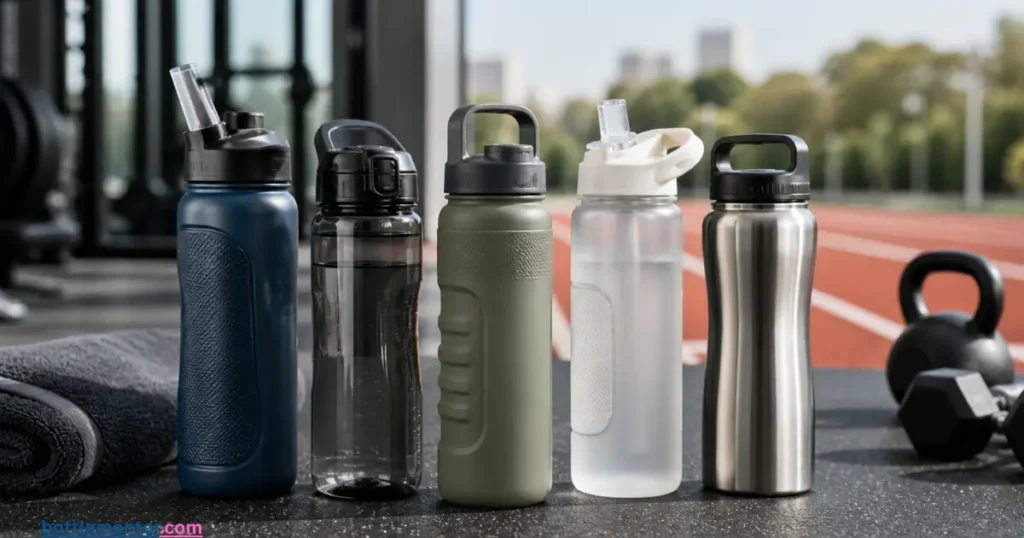
A sports bottle should make hydration fast and easy. During workouts, you do not want to unscrew a lid every time you need a drink.
Best Features
- straw or chug lid
- one-hand operation
- strong grip
- measurement markers
- secure closure
- medium to large capacity
Best Materials
BPA-free plastic is popular for gym use because it is lightweight. Stainless steel is better if you want cold water throughout your workout.
Outdoor and Adventure Water Bottles
Outdoor bottles need to be tougher than regular bottles. Hiking, camping, and road trips require durability, capacity, and reliability.
Best Features
- strong stainless steel body
- large capacity
- carabiner-friendly handle
- leak-proof lid
- insulation for cold drinks
- compatibility with filters if needed
Important Outdoor Note
If you need to boil water, do not use a vacuum-insulated bottle for boiling. Single-wall stainless steel bottles are better suited for direct heating, but only if the manufacturer confirms that it is safe.
Office and Commute Water Bottles
For office and commuting, the ideal bottle should be slim, quiet, stable, and stylish.
Best Features
- slim base for cup holders
- leak-proof lid
- stable bottom
- quiet sipping
- professional design
- easy refilling
A noisy straw lid or bulky bottle may be annoying in meetings. A sleek insulated bottle with a controlled sip lid often works better.
Kids’ Water Bottles
Kids need bottles that are easy to open, hard to break, and simple to clean.
Best Features
- BPA-free material
- small capacity
- easy-open lid
- leak-proof design
- fun colors or characters
- dishwasher-safe parts
- straw brush compatibility
Best Materials
BPA-free plastic is lightweight and kid-friendly. Stainless steel is better for durability and insulation, but it may be heavier for younger children.
Top Water Bottle Brands and What Makes Them Stand Out
There are many water bottle brands, but a few stand out because of their design, insulation, durability, or lid technology.
Owala
Owala is known for its FreeSip-style lid, which allows both sipping through a straw and drinking from a wider opening. This makes it especially useful for people who want one bottle for work, gym, commuting, and daily use.
Best For
- everyday carry
- office use
- gym
- people who like hybrid lids
Owala Size Showdown: Finding Your Perfect 24, 32, or 40 oz FreeSip Water Bottle
Coldest Water Bottle
The coldest water bottle is often positioned around strong insulation and long-lasting cold performance. It is a good option for people who prioritize ice retention, outdoor use, and performance testing.
Best For
- hot climates
- gym
- hiking
- outdoor work
- long travel days
Internal link suggestion:
Coldest Water Bottle Review: My Honest Experience, Performance Test, & Buyer’s Guide for Ultimate Hydration
Zulu Ace
Zulu Ace is a practical, everyday option that often focuses on design, durability, and value. It can be a strong choice for people who want a reliable bottle without overcomplicating the buying decision.
Best For
- everyday hydration
- school
- gym
- office
- budget-conscious buyers
Zulu Ace Water Bottle Review [2026]: Is This Your Next Everyday Hydration Solution?
Other Notable Insulated Brands
Brands such as Hydro Flask, Yeti, Stanley, and similar premium insulated bottle makers are known for durable construction, strong insulation, and wide product ranges.
Hydro Flask is often associated with outdoor and lifestyle use. Yeti is known for rugged durability. Stanley is popular for large-capacity tumblers and daily hydration products.
The Ultimate Guide to Insulated Water Bottles: 7 Top Performers Personally Tested & Reviewed
E-E-A-T Tip for This Section
When publishing product recommendations, add real testing details whenever possible. Include temperature tests, leak tests, drop observations, cleaning notes, cup holder fit, and long-term use results. This makes the content more trustworthy than generic product summaries.
Advanced Tips for Water Bottle Users
Once you choose the right bottle, a few simple habits can make it even more useful.
Personalization and Accessories
You can improve your bottle with:
- silicone sleeves
- replacement lids
- straw kits
- carry straps
- stickers
- carabiners
- cleaning brushes
- fruit infuser inserts
Accessories are especially useful if you like the bottle body but dislike the original lid.
Hydration Tracking
Hydration tracking can be as simple as choosing a bottle with time markers or measurement lines. You can also use phone reminders, habit apps, or a simple goal like finishing one bottle before lunch and another before dinner.
Flavoring Your Water
If plain water feels boring, try natural flavor options:
- lemon slices
- cucumber
- mint
- berries
- orange slices
- watermelon
- herbal tea infusions
Avoid leaving fruit in the bottle for too long, especially in warm weather. Wash the bottle thoroughly afterward to prevent odors.
Simple Hydration Goal Calculator
A practical way to estimate your water needs is to start with your body size and activity level.
Basic Formula
A simple daily hydration target is:
Body weight in pounds × 0.5 = ounces of water per day
For example:
160 lb × 0.5 = 80 oz of water per day
Then adjust based on:
- hot weather
- exercise
- sweating
- high altitude
- illness
- caffeine or alcohol intake
Mayo Clinic Health System notes that general fluid needs can increase with exercise, hot weather, high altitude, high-fiber diets, and fluid losses from caffeine or alcohol.
Bottle-Based Example
If your goal is 80 oz per day:
- With a 20-oz bottle, drink 4 full bottles
- with a 32-oz bottle, drink about 2.5 full bottles
- with a 40-oz bottle, drink 2 full bottles
This is why bottle size matters. The right capacity makes your hydration goal easier to visualize.
Maintenance and Longevity: Keeping Your Bottle Pristine
A good bottle can last for years if you clean and store it properly.
Daily Cleaning Routine
For daily use, wash your bottle with warm water and dish soap. Clean the lid, mouthpiece, straw, and silicone seals carefully.
If you only use the bottle for water, daily rinsing plus regular washing may be enough. If you use it for coffee, tea, protein shakes, juice, electrolyte drinks, or fruit-infused water, wash it more thoroughly after each use.
Weekly Deep Cleaning
Once a week, do a deeper clean.
Baking Soda Method
Add warm water and one tablespoon of baking soda. Let it sit for a few hours or overnight, then scrub and rinse.
Vinegar Method
Mix equal parts white vinegar and water. Let it sit for 15–30 minutes, then rinse thoroughly.
Lid and Straw Cleaning
Disassemble the lid if possible. Use a straw brush for straws and a small brush for tight grooves. Let every part dry completely before reassembling.
Preventing Mold
Mold usually grows in hidden, damp areas such as:
- straw interiors
- rubber gaskets
- lid grooves
- spout openings
- silicone seals
To prevent mold, allow the bottle and lid to air dry fully before storage.
Storage Tips
Store your bottle with the lid off. This allows air circulation and helps prevent trapped moisture and odors.
Addressing Common Water Bottle Concerns
Is BPA-Free Really Safe?
“BPA-free” means the product does not contain Bisphenol A. This is important to many consumers because BPA has been widely discussed in relation to food-contact materials.
However, BPA-free does not automatically mean every plastic is identical. Some plastics may use other compounds, so it is smart to check the exact material. Reputable brands often use materials such as Tritan, polypropylene, or other food-grade plastics.
For extra peace of mind, avoid exposing plastic bottles to high heat, do not microwave them, and replace bottles that are scratched, cloudy, or damaged.
Why Does My Bottle Sweat?
A bottle “sweats” because of condensation. When cold water chills the outside surface of a single-wall bottle, moisture in the air condenses on the bottle.
Double-wall vacuum-insulated bottles usually do not sweat because the outer wall does not get as cold as the inner wall.
How Do I Remove Stubborn Odors?
Try baking soda, white vinegar, lemon water, or a bottle-cleaning tablet. Focus especially on the lid and straw because odors often hide there.
If a plastic bottle still smells after repeated cleaning, it may be time to replace it.
What About Microplastics?
Microplastics and nanoplastics are active areas of research. Studies have detected plastic particles in bottled water, but researchers are still working to understand the health implications.
If this concern matters to you, consider glass or stainless steel for everyday use, avoid high heat exposure with plastic bottles, and replace damaged plastic bottles.
Quick Buying Checklist: How to Choose the Best Water Bottle
Before buying, ask these questions:
- Where will I use it most?
Office, gym, hiking, school, car, travel, or home? - Do I need insulation?
Choose double-wall stainless steel if you want cold or hot drinks for hours. - What size is practical?
24–32 oz works for most people. Larger bottles are better for long days, but heavier. - Which lid fits my habits?
Straw for sipping, chug for workouts, screw-top for security, hybrid for versatility. - Will it fit my cup holder or bag?
Check the bottle diameter and height before buying. - Is it easy to clean?
Wide-mouth bottles and removable lids are easier to maintain. - Is it truly leak-proof?
Check reviews and lid design, especially if carrying it with electronics. - Is it worth the price?
Consider durability, warranty, replacement parts, and daily usability.
FAQ: Choosing and Caring for a Water Bottle
Which brand of water bottle is the best?
The best water bottle brand depends on your needs, but Owala, Hydro Flask, Yeti, Stanley, and Zulu are popular choices for daily use, insulation, and durability. For all-around use, choose a leak-proof, easy-to-clean bottle with strong customer reviews.
What type of water bottle is best?
For most people, a stainless steel insulated water bottle is the best choice because it is durable, reusable, and keeps drinks cold for hours. Glass is also excellent for pure taste, while BPA-free plastic is better for lightweight use.
Which bottled water is best in the USA?
Popular bottled water brands in the USA include Aquafina, Smartwater, Dasani, Fiji, Evian, and Poland Spring. The best choice depends on taste, source, mineral content, and whether you prefer purified, spring, alkaline, or mineral water.
Which water bottle is healthiest?
The healthiest reusable water bottles are usually stainless steel or glass because they do not retain flavors easily and reduce concerns linked with plastic exposure. If choosing plastic, look for a high-quality BPA-free bottle and avoid heat exposure.
What are the top 5 bottled water brands?
Five well-known bottled water brands are Aquafina, Dasani, Smartwater, Fiji, and Evian. These brands are widely available and commonly chosen for purified water, premium taste, or mineral-rich hydration.
Which type of water bottle is better?
A stainless steel insulated bottle is better for long-term daily use because it is strong, reusable, leak-resistant, and temperature-friendly. For home or office use, glass is better if you want the cleanest taste.
Conclusion: Choose the Bottle That Fits Your Life
The perfect water bottle is not the same for everyone. A hiker, a student, a gym-goer, an office worker, and a parent buying for a child all need different features.
If you want cold water all day, choose a double-wall stainless steel bottle. If you want something light and affordable, go with BPA-free plastic. If taste matters most, glass is a great option. If you travel often and need to save space, silicone may be the right fit.
The most important factors are material, size, lid type, insulation, leak-proofing, cleaning, and daily comfort. When these features match your lifestyle, staying hydrated becomes easier and more enjoyable.
Armed with this guide, you are ready to find your perfect hydration companion. Explore detailed reviews, compare real-world features, and choose a bottle you will enjoy using every day.
A better water bottle is a small upgrade, but it can support a healthier routine, reduce waste, save money, and make hydration feel effortless.

John is a drinkware product researcher who has personally tested 50+ reusable water bottles, tumblers, mugs, and filtration systems from leading brands. He focuses on real-world performance, durability, and safety to help readers choose drinkware that actually fits their daily hydration needs.