Introduction: Finding the Perfect Water Bottle for Your Daily Hydration
Staying hydrated sounds simple: just drink more water. Yet when it comes to choosing the right water bottle, the process can quickly become overwhelming. Walk into any store or browse online, and you’ll find hundreds of options: stainless steel bottles, insulated bottles, glass bottles, plastic sports bottles, collapsible travel bottles, and many more. Each claims to be the best water bottle for hydration, but not every bottle fits every lifestyle.
This abundance of choices often creates confusion. Should you choose stainless steel for durability, glass for purity, or lightweight plastic for convenience? Do you need a bottle that keeps water cold for hours, or one that’s easy to carry to the gym, office, or school? Many people end up buying a bottle that looks good but doesn’t actually meet their daily needs, leading to frustration, wasted money, and poor hydration habits.
The good news is that finding the perfect water bottle doesn’t have to be complicated. With the right information, you can easily understand the differences between materials, features, and bottle types. Once you know what to look for, selecting the ideal bottle becomes a simple and confident decision.
In this complete water bottle buying guide, we will break down everything you need to know before making a purchase. From understanding water bottle materials and health safety to comparing insulation performance, durability, portability, and design, this guide cuts through the noise and focuses on what truly matters.
By the end of this guide, you’ll have the knowledge to choose a water bottle that perfectly fits your lifestyle, hydration goals, and budget. Whether you need a bottle for the gym, travel, office, hiking, or everyday use, you’ll be able to confidently select a solution that keeps you hydrated, healthy, and satisfied throughout the day.
Understanding the Importance of Hydration
Proper hydration is one of the most important foundations of a healthy lifestyle. Water plays a critical role in nearly every function of the human body, from regulating body temperature to supporting digestion, circulation, and cellular health. Despite its importance, many people still struggle to drink enough water throughout the day.
One of the simplest ways to improve hydration habits is by using a reusable water bottle. Having a personal bottle nearby serves as a constant reminder to drink water regularly, making it much easier to maintain healthy hydration levels. Whether you are at work, traveling, exercising, or relaxing at home, a reliable water bottle ensures that clean drinking water is always within reach.
Why Water Bottles Are Essential for Daily Life
Health Benefits of Staying Hydrated
Consistent hydration directly affects how your body and mind perform throughout the day. Even mild dehydration can lead to fatigue, headaches, reduced focus, and lower physical performance.
Using a dedicated water bottle for daily hydration encourages frequent water intake and supports several important health benefits:
- Improved Energy Levels: Water helps transport nutrients and oxygen throughout the body, which supports steady energy production and reduces feelings of fatigue.
- Better Cognitive Function: Proper hydration supports concentration, memory, and mental clarity, helping you stay productive during work or study.
- Enhanced Physical Performance: When the body is well hydrated, muscles function more efficiently, endurance improves, and the risk of cramps or overheating decreases during exercise.
- Overall Well-Being: Adequate water intake supports healthy digestion, skin health, joint lubrication, and body temperature regulation.
Because hydration plays such a vital role in everyday health, having a reliable water bottle nearby makes it easier to build and maintain a consistent drinking routine.
Environmental Impact: Reducing Plastic Waste
Another major advantage of using a reusable water bottle is its positive impact on the environment. Single-use plastic bottles contribute significantly to global plastic pollution, with millions ending up in landfills and oceans every year.
By switching to a reusable water bottle, individuals can dramatically reduce their reliance on disposable plastic. A single durable bottle can replace hundreds—or even thousands—of single-use bottles over time. This small lifestyle change helps conserve resources, reduce waste, and support more sustainable consumption habits.
Convenience and Accessibility
Convenience is one of the main reasons people rely on water bottles in their daily routines. A personal bottle makes hydration effortless, allowing you to carry water wherever you go.
Modern water bottles are designed for a variety of lifestyles. For example:
- At Work or School: A reusable bottle keeps water within reach at your desk, encouraging regular hydration throughout the day.
- During Exercise: Sports bottles and insulated bottles help maintain hydration during workouts, gym sessions, or outdoor activities.
- While traveling or commuting, leak-proof and portable designs allow you to stay hydrated without needing to constantly purchase bottled water.
Having your own portable water bottle eliminates the inconvenience of searching for water sources and makes it much easier to meet your daily hydration needs. Over time, this simple habit can significantly improve both your health and your daily comfort.
Key Factors to Consider When Choosing a Water Bottle
Choosing the right water bottle involves more than simply picking a design you like. The material of the bottle directly affects its durability, safety, taste, weight, and overall usability. Different materials are designed for different lifestyles—some prioritize insulation and durability, while others focus on purity of taste or portability.
Understanding the strengths and limitations of each material will help you select a water bottle that fits your daily needs, whether for work, travel, sports, or outdoor activities.
Material Matters: What Your Bottle is Made Of
The material used to manufacture a water bottle determines how safe, durable, and convenient it will be in everyday use. Below are the most common materials used in modern reusable water bottles.
Stainless Steel Water Bottles
Stainless steel is widely considered one of the best materials for reusable water bottles due to its durability, insulation performance, and long lifespan.
Pros
- Highly durable: Stainless steel bottles are built to last and can withstand regular drops and heavy use.
- Excellent insulation: Many bottles use double-wall vacuum insulation to keep drinks cold for up to 24 hours or hot for several hours.
- No taste transfer: Stainless steel does not absorb flavors or odors, preserving the natural taste of water.
- Eco-friendly: A high-quality steel bottle can last for years, reducing the need for disposable plastic bottles.
Cons
- Heavier than plastic: Stainless steel bottles are generally heavier, which may be noticeable when carrying them for long periods.
- Can dent if dropped: Although strong, the outer surface can dent under heavy impact.
- Not microwave-safe: Metal bottles cannot be used in microwave ovens.
Safety and Quality Considerations
When choosing a stainless steel bottle, look for food-grade stainless steel, typically labeled 18/8 stainless steel or 304 stainless steel. These grades contain 18% chromium and 8% nickel, which make the bottle resistant to rust, corrosion, and chemical reactions. High-quality food-grade steel ensures that the bottle remains safe for long-term drinking water storage.
Plastic Water Bottles (Tritan, PP, HDPE)
Plastic bottles remain popular because they are lightweight, affordable, and easy to carry. Many sports bottles and everyday hydration bottles are made from modern plastic materials such as Tritan, polypropylene (PP), or high-density polyethylene (HDPE).
Pros
- Lightweight and portable: Plastic bottles are easy to carry, making them ideal for school, gym sessions, or travel.
- Affordable: They are typically more budget-friendly compared to stainless steel or glass options.
- Transparent designs: Many plastic bottles allow you to see the water level easily.
- Shatter-resistant: Plastic bottles are less likely to break if dropped.
Cons
- May retain odors or flavors: Over time, plastic bottles can absorb smells or tastes from beverages.
- Less durable than metal: They can scratch or degrade faster with heavy use.
- Microplastic concerns: Some users worry about potential microplastic exposure during long-term use.
Safety and Chemical Concerns
Modern reusable plastic bottles are often labeled BPA-free, meaning they do not contain Bisphenol A, a chemical once widely used in plastic manufacturing. However, discussions about chemical leaching and long-term plastic safety continue in scientific and consumer communities.
Materials like Tritan plastic are widely used because they are BPA-free, durable, and resistant to cracking. For safety and longevity, it is best to avoid exposing plastic bottles to excessive heat or harsh dishwashing cycles unless the bottle is specifically labeled dishwasher-safe.
Glass Water Bottles
Glass bottles are often chosen by people who want the purest drinking experience without any risk of chemical interaction.
Pros
- Pure taste: Glass does not alter the flavor of water or beverages.
- Chemical-free: Unlike some plastics, glass does not leach chemicals into liquids.
- Easy to clean: Glass surfaces resist stains and odors.
- Eco-friendly and recyclable: Glass is fully recyclable and environmentally friendly.
Cons
- Fragile: Glass bottles can break if dropped.
- Heavier than plastic: They are generally heavier and less ideal for active use.
- Requires protection: Many glass bottles come with a silicone sleeve to reduce the risk of breakage and improve grip.
Glass bottles are particularly popular for office use, home hydration, or health-conscious consumers who prioritize purity and safety.
Silicone Water Bottles
Silicone bottles are becoming increasingly popular for people who value flexibility and portability. They are commonly used for travel, hiking, and outdoor activities.
Pros
- Lightweight and flexible: Silicone bottles are easy to carry and can bend without breaking.
- Collapsible design: Many silicone bottles can collapse when empty, saving space in bags.
- Heat-resistant: High-quality silicone can handle both hot and cold liquids.
- Non-toxic material: Food-grade silicone is generally considered safe and durable.
Cons
- Less rigid structure: Some users feel silicone bottles are less stable compared to steel or plastic.
- Possible taste retention: Certain beverages may leave a mild taste over time.
Because of their portable and space-saving design, silicone bottles are ideal for travelers, hikers, and people who need a bottle that fits easily into backpacks or luggage.
Choosing the Right Material for Your Lifestyle
Each material offers unique advantages depending on how and where you plan to use your water bottle. Stainless steel is excellent for durability and insulation, plastic bottles provide lightweight convenience, glass offers purity of taste, and silicone delivers flexibility for travel and outdoor use.
Understanding these material differences allows you to choose a reusable water bottle that balances safety, convenience, durability, and performance, ensuring it fits seamlessly into your daily hydration routine.
- Table: Water Bottle Material Comparison
| Feature | Stainless Steel | Plastic (BPA-Free) | Glass | Silicone (Collapsible) |
| Durability | High | Medium | Low (fragile) | High |
| Insulation | Excellent | Poor/None | Poor/None | Poor/None |
| Taste Transfer | None | Possible | None | Possible |
| Weight | High | Low | High | Very Low |
| Transparency | No | Yes | Yes | Semi-transparent |
| Eco-Friendliness | High (recyclable) | Medium (depends) | High (recyclable) | Medium (long-lasting) |
| Cost | Medium to High | Low | Medium | Medium |
| Care | Hand wash recommended | Dishwasher safe | Dishwasher safe | Dishwasher safe |
Size & Capacity: Finding Your Ideal Volume
When choosing the best water bottle for daily hydration, size and capacity play a crucial role. The right bottle should provide enough water for your routine without being too heavy or inconvenient to carry. A bottle that is too small may require frequent refilling, while an oversized bottle might feel bulky for everyday use.
Selecting the proper capacity depends on your daily hydration needs, activity level, and lifestyle. Whether you need a compact bottle for quick trips or a large bottle for long outdoor activities, understanding common size categories will help you make a practical choice.
Small Water Bottles (12–20 oz)
Small-capacity bottles are ideal for people who prefer lightweight and compact hydration options.
Best for:
- Short outings and quick errands
- Kids and school use
- Minimalist daily carry
- Travel or commuting
These bottles are easy to carry in small bags, backpacks, or even car cup holders. However, because of their limited capacity, they require more frequent refills throughout the day.
Medium Water Bottles (20–32 oz)
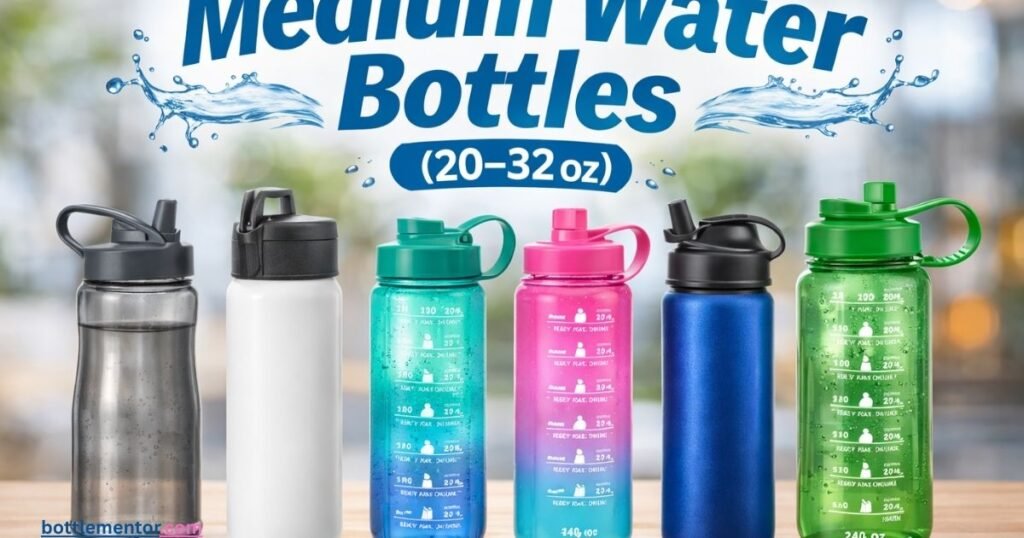
Medium-sized bottles are the most popular and versatile option for everyday hydration. They provide enough water to stay hydrated for several hours while remaining portable.
Best for:
- Daily office or work use
- Gym sessions and workouts
- School or college
- Regular daily hydration routines
A 24 oz or 32 oz water bottle offers a balanced combination of portability and capacity, making it a practical choice for most people.
Large Water Bottles (32–64 oz and Above)
Large-capacity bottles are designed for people who need extended hydration without frequent refills. These bottles are especially useful for outdoor activities or long workdays.
Best for:
- All-day hydration goals
- Long hikes or outdoor adventures
- Athletes and fitness enthusiasts
- Shared household use
If your goal is to drink more water consistently, a 64-oz water bottle can help you track your intake more easily while reducing the need to refill multiple times a day. If you’re considering larger bottles, you can also explore our detailed guide on Best 64 oz Water Bottles for All-Day Hydration to compare top high-capacity options.
Expert Tip: Match Bottle Capacity With Your Hydration Goals
When selecting a bottle size, think about how much water you need each day and how often you can refill your bottle. If you spend long hours away from water sources, a larger bottle may be the better choice. On the other hand, if you have easy access to water throughout the day, a medium or smaller bottle may be more convenient.
Research suggests that average daily fluid intake should be around 11.5 cups (about 2.7 liters) for women and 15.5 cups (about 3.7 liters) for men, with hydration coming from both beverages and food. While individual needs vary depending on climate, activity level, and health factors, choosing the right bottle size can make it easier to meet your hydration goals consistently.
By selecting a water bottle capacity that matches your lifestyle, you can stay hydrated more comfortably and maintain healthier daily habits.
Insulation: Keeping Drinks Hot or Cold
One of the most important features to consider when choosing a water bottle is insulation. Insulated bottles are designed to maintain the temperature of your drink for extended periods, keeping water cold during hot days or beverages warm during colder weather. The level of insulation can significantly impact your hydration experience, especially if you spend long hours outdoors, at the gym, or commuting.
Most modern water bottles fall into two main insulation categories: vacuum-insulated bottles and single-wall bottles. Understanding the difference will help you choose the right option for your lifestyle.
Vacuum-Insulated Water Bottles
Vacuum-insulated bottles are considered the best option for temperature control. These bottles use a double-wall construction, where two layers of stainless steel are separated by a vacuum space. Because heat cannot easily transfer through the vacuum layer, the bottle can maintain the temperature of your beverage for many hours.
Some high-end insulated bottles also include a copper lining inside the walls, which further improves temperature retention by reflecting heat.
Benefits of Vacuum Insulation
- Keeps drinks cold for up to 24 hours in many models
- Keeps beverages hot for several hours
- Prevents condensation on the outside of the bottle
- Ideal for travel, outdoor activities, and long workdays
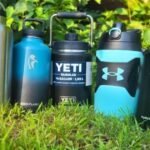
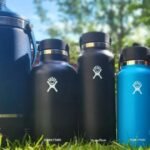
Many popular brands specialize in high-performance insulated bottles, including Hydro Flask, Stanley, and YETI. These brands are widely recognized for producing durable bottles with excellent insulation performance.
Because of their ability to maintain drink temperature for long periods, vacuum-insulated bottles are a favorite choice for hiking, camping, gym sessions, and daily commuting.
Single-Wall Water Bottles
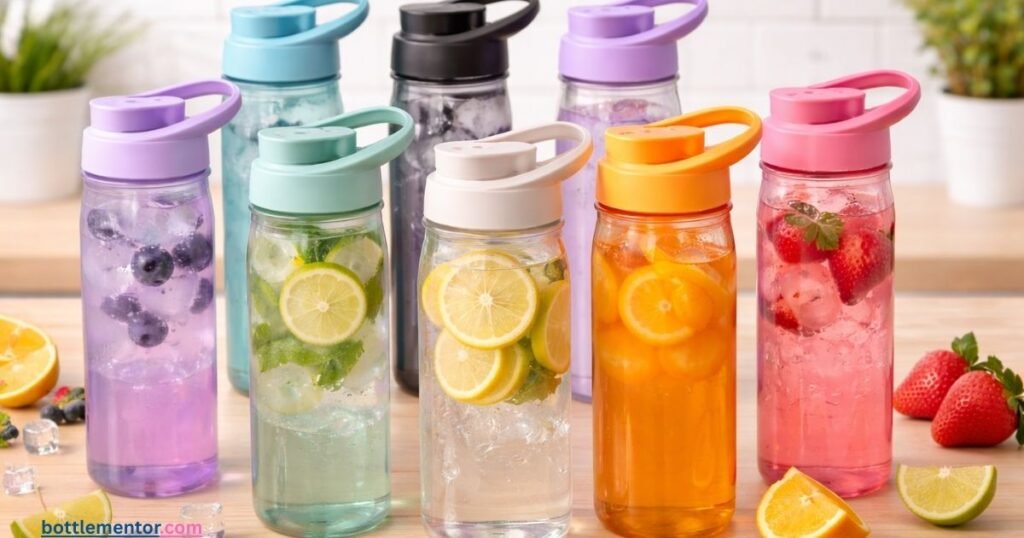
Single-wall bottles are much simpler in design. They consist of one layer of material, usually stainless steel or plastic, without any vacuum insulation.
Benefits of Single-Wall Bottles
- Lightweight and easy to carry
- More affordable than insulated bottles
- Often slimmer and easier to fit in small bags or cup holders
However, since there is no insulation layer, these bottles cannot maintain drink temperature for long periods. Cold drinks may quickly warm up in hot weather, and hot drinks will lose heat more rapidly.
Single-wall bottles are typically best suited for short daily use, quick hydration, or situations where temperature retention is not a priority.
Expert Tip for Maximum Insulation Performance
If you choose a vacuum-insulated bottle, you can improve its performance with a simple trick: pre-chill or pre-heat the bottle before filling it.
For cold beverages, rinse the bottle with cold water or add ice for a minute before filling it. For hot drinks, pour warm water into the bottle briefly before adding your beverage. This helps stabilize the internal temperature and allows the bottle to maintain the desired temperature for even longer.
By understanding how insulation works, you can select a water bottle that keeps your drinks at the perfect temperature, making hydration more enjoyable throughout the day.
Lid Types & Opening Mechanisms
While many people focus on materials and insulation when buying a water bottle, the lid design is just as important. The type of lid affects ease of drinking, portability, cleaning, and leak protection. Choosing the right opening mechanism can make hydration more convenient, especially depending on how and where you plan to use your bottle.
Different lid styles are designed for different lifestyles—some prioritize quick access during workouts, while others focus on leak-proof security for travel or commuting.
Straw Lids

Straw lids are designed for easy sipping without tilting the bottle. A built-in straw allows you to drink water upright, which makes them very convenient during daily activities.
Best for:
- Gym workouts
- Driving or commuting
- Office use
- Quick hydration throughout the day
Because you don’t need to tilt the bottle, straw lids are especially helpful for people who want frequent small sips of water.
Consideration:
Straw mechanisms may require slightly more cleaning because the internal straw can collect residue over time.
Flip-Top or Spout Lids
Flip-top lids include a small spout that opens with a quick flip or press. These lids provide fast access to water, making them ideal for active environments.
Best for:
- Sports and fitness
- Outdoor activities
- Running or cycling
Many flip-top lids are designed with leak-resistant seals, allowing you to carry the bottle in a bag without worrying about spills.
Screw-Top Lids
Screw-top lids are one of the most reliable and leak-proof options available. The lid twists securely onto the bottle, creating a tight seal that prevents accidental leaks.
Best for:
- Travel and commuting
- Backpacks or luggage
- Long outdoor trips
Another advantage of screw-top bottles is that they often feature a wide-mouth opening, which makes them much easier to clean and refill.
Chug Lids
Chug lids are designed for fast hydration. They typically feature a wide opening that allows you to drink large amounts of water quickly.
Best for:
- Intense workouts
- Hiking and outdoor adventures
- Athletes needing quick hydration
Because of their wide opening, chug lids allow water to flow quickly, making them ideal when you need to drink larger quantities without slowing down.
Push-Button Lids
Push-button lids are designed for one-handed operation. With a simple press of a button, the lid pops open, allowing you to drink without unscrewing or flipping anything manually.
Best for:
- Driving
- Busy work environments
- Walking or commuting
Many push-button designs also include automatic locking mechanisms to prevent accidental opening inside bags.
Why Wide-Mouth Bottles Matter
One often overlooked feature when choosing a water bottle is the mouth width. A wide-mouth opening offers several practical benefits:
- Easier cleaning: You can reach inside the bottle more easily with a brush or sponge.
- Adding ice cubes: Wide openings allow you to add ice without difficulty.
- Faster refilling: Filling the bottle from a faucet or water dispenser becomes much quicker.
For people who prefer cold water throughout the day or want easier bottle maintenance, a wide-mouth design can make a significant difference in everyday usability.
Selecting the right water bottle lid type ultimately depends on how you plan to use your bottle. By choosing a lid that matches your daily routine, whether it’s sipping at a desk, drinking during workouts, or staying hydrated while traveling, you can make hydration more convenient and enjoyable.
Ergonomics & Portability
A good water bottle should not only hold water, but it should also be comfortable to carry and easy to use throughout the day. Ergonomic design and portability features can make a big difference, especially if you carry your bottle to work, the gym, or during travel.
When evaluating a water bottle, consider how easily it fits into your daily routine.
Handle or Carry Loop
Many modern bottles include integrated handles or loops built into the lid. These features make it easier to carry your bottle by hand or attach it to a backpack.
Benefits include:
- Convenient one-handed carrying
- Easy attachment to backpacks with a carabiner
- Better portability during hikes or travel
For people who frequently move between locations s, such as commuters or outdoor enthusiasts, a built-in carry loop can significantly improve convenience.
Shape and Grip Design
Bottle shape also affects usability. Some bottles feature contoured bodies or textured surfaces that make them easier to grip.
Common ergonomic improvements include:
- Contoured designs that fit comfortably in the hand
- Silicone sleeves for improved grip and drop protection
- Non-slip coatings to prevent accidental slips
These features are particularly useful during workouts, when hands may be sweaty.
Base Diameter and Fit
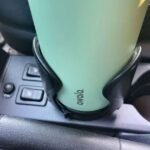
Another important consideration is the base diameter of the bottle. Many users prefer bottles that fit easily into car cup holders, bike holders, or backpack side pockets.
Slim bottles are especially helpful for commuters and drivers who need a bottle that stays stable while traveling. If this is a priority for you, explore our guide on 6 Best Slim Water Bottles for Car Cup Holders (No Spills) to find bottles specifically designed for this purpose.
By choosing a bottle with comfortable ergonomics and practical portability features, you ensure that hydration remains convenient no matter where your day takes you.
Exploring Different Types of Water Bottles
Water bottles are no longer simple containers. Modern designs offer specialized features tailored to different needs f, from advanced insulation to smart technology and portable travel solutions.
Understanding the various types of bottles available will help you identify the best water bottle for your lifestyle and hydration habits.
Insulated Water Bottles: The Temperature Keepers
Insulated bottles are designed to maintain drink temperature for extended periods. Most use double-wall vacuum insulation, which prevents heat transfer and keeps beverages at the desired temperature.
Benefits
- Keeps drinks cold for 24 hours or more
- Keeps beverages hot for up to 12 hours
- Prevents condensation on the bottle exterior
- Ideal for outdoor activities, commuting, and long workdays
Considerations
- Heavier than standard bottles
- Typically, more expensive due to insulation technology
A widely trusted option is the Hydro Flask Wide Mouth Bottle, known for its durable stainless steel construction and strong insulation performance.
If you are comparing sizes, our guide Which Hydro Flask Size is Right For YOU? The Ultimate Comparison & Buyer’s Guide provides a deeper breakdown of capacity options.
Smart Water Bottles: Hydration with a Digital Twist
Smart water bottles combine hydration with modern technology. These bottles track your water intake and connect to smartphone apps to help you maintain healthy hydration habits.
How They Work
Smart bottles use sensors to monitor how much water you drink. This information is synced with a mobile app, which can send reminders to drink more water throughout the day.
Many models also feature LED lights that glow as hydration reminders.
Benefits
- Personalized hydration goals
- Automatic water intake tracking
- Helpful reminders to stay hydrated
- Useful health data insights
Many smart bottles work with apps like the HidrateSpark App, which tracks hydration progress and integrates with health platforms.
Considerations
- Requires battery charging
- Dependence on smartphone apps
- Higher price compared to standard bottles
For detailed comparisons, see Reviewing the Best Smart Water Bottles of 2026, where different models and features are evaluated.
Hydrogen Water Bottles: Health Trend or Hoax?
Hydrogen water bottles have recently gained popularity in the wellness market. These bottles use technology that infuses drinking water with molecular hydrogen.
Common Health Claims
Manufacturers claim that hydrogen-infused water may offer:
- Antioxidant properties
- Reduced inflammation
- Improved athletic performance
- Enhanced recovery after exercise
How They Work
Hydrogen water bottles typically use electrolysis technology to split water molecules and release hydrogen gas into the drinking water.
What Science Says
Some early research suggests that molecular hydrogen may have potential antioxidant effects. However, large-scale human studies are still limited. While some results appear promising, the scientific community generally agrees that more research is required before strong health conclusions can be made.
Organizations like the Molecular Hydrogen Institute provide research summaries and scientific resources related to hydrogen water.
For readers interested in this emerging category, see The Ultimate 3 Hydrogen Water Bottle Buyer’s Guide: Separating Science from Hype for Optimal Health.
Important: Always consult healthcare professionals before relying on wellness products that make health-related claims.
Collapsible & Foldable Water Bottles: For the Space Saver
Collapsible water bottles are designed for maximum portability. These bottles can shrink or fold when empty, making them ideal for travel or outdoor adventures.
Benefits
- Lightweight and easy to carry
- Collapsible design saves space
- Great for travel, hiking, or camping
Materials
Most collapsible bottles are made from food-grade silicone or soft, flexible plastic.
Considerations
- May feel less stable when full
- Cleaning can be slightly more difficult compared to rigid bottles
Despite these limitations, collapsible bottles are extremely practical for people who prioritize compact storage and portability.
Filtered Water Bottles: On-the-Go Purification
Filtered bottles include built-in filtration systems that improve water quality and taste. They are especially useful when drinking from public water sources or while traveling.
Benefits
- Improves water taste
- Reduces certain contaminants
- Convenient portable filtration
Common Filter Types
Carbon Filters
Remove chlorine, odors, and unpleasant taste.
Activated Alumina Filters
Used in some systems to reduce fluoride levels.
Hollow Fiber Membrane Filters
Designed to filter bacteria and protozoa from water, often used in outdoor survival bottles.
Considerations
- Filters require regular replacement
- Water flow may be slightly slower due to filtration
Filtered bottles are especially valuable for travelers, hikers, and people concerned about water quality.
Water Bottles for Specific Lifestyles & Activities
Different lifestyles require different bottle features. Choosing a bottle designed for your routine can improve convenience and hydration consistency.
For the Gym Enthusiast
Fitness-focused bottles prioritize durability and quick hydration.
Key Features
- Easy-grip design
- Quick-access lid or straw
- Large capacity for long workouts
- Durable materials
A popular option is the Contigo Autoseal Chill Water Bottle, known for its leak-proof technology and convenient one-handed drinking system.
For the Office Worker
Office environments benefit from bottles that are stable, quiet, and visually appealing.
Ideal Features
- Medium-sized that fits easily on a desk
- Stable base to prevent tipping
- Quiet lid opening
- Professional aesthetic design
Glass bottles or minimalist stainless steel bottles are often preferred in office settings.
For Outdoor Adventures (Hiking & Camping)
Outdoor bottles must handle rough conditions and extended use.
Key Features
- Exceptional durability
- Leak-proof lid
- Good insulation for temperature control
- Carry loops or carabiner clips
A classic choice is the Nalgene Wide Mouth Bottle, valued for its durability, lightweight construction, and wide opening.
For Kids
Children require bottles designed specifically for safety and ease of use.
Important Features
- Smaller capacity
- Easy-to-open lids or straw tops
- Durable materials that resist drops
- Fun designs and colors
Parents should prioritize non-toxic materials, BPA-free construction, and easy cleaning to prevent mold buildup.
Commuting & Car Use
For drivers and commuters, portability is essential.
Key Features
- Slim bottle design for cup holders
- Leak-proof lid
- One-handed drinking capability
To find models designed specifically for this purpose, see 6 Best Slim Water Bottles for Car Cup Holders (No Spills).
Maintenance and Care: Extending Your Bottle’s Life
Taking proper care of your bottle ensures it remains safe, clean, and long-lasting.
Cleaning Your Water Bottle Effectively
Daily Cleaning
Rinse the bottle with warm water and mild dish soap after regular use. This removes residue and prevents bacterial buildup.
Deep Cleaning
For a more thorough cleaning:
- Use a bottle brush to reach the bottom
- Clean with baking soda and warm water
- Use a vinegar solution to remove odors or stains
Proper Drying
Allow bottles to air dry completely before closing the lid. Trapped moisture can lead to mold or unpleasant smells.
Expert Tip:
Always disassemble all removable parts, including lids, straws, and rubber seals, when cleaning your bottle.
Troubleshooting Common Issues
Smelly Bottle
Soak the bottle with hot water and baking soda to neutralize odors.
Leaking Lid
Check the gasket or rubber seal and ensure the lid is properly tightened.
Dents in Metal Bottles
Small dents are usually cosmetic. However, severe damage may affect insulation if the vacuum seal inside the bottle is compromised.
Environmental Considerations & Sustainability
Choosing a reusable water bottle also has a significant environmental impact.
Choosing Eco-Friendly Options
When selecting a bottle, consider sustainability factors such as:
- Recycled materials used in manufacturing
- Long-lasting durability that reduces waste
- Brands committed to responsible manufacturing practices
Investing in a durable bottle that lasts several years reduces the need for frequent replacements.
The Problem with Single-Use Plastic Bottles
Disposable plastic bottles create a major environmental challenge worldwide.
Research estimates that over 60 million plastic bottles are discarded every day in the United States alone. Many of these bottles end up in landfills, oceans, and natural ecosystems.
The environmental impact includes:
- Growing landfill waste
- Ocean plastic pollution
- Microplastic contamination in water and soil
By switching to a reusable water bottle, individuals can significantly reduce their plastic waste while supporting a more sustainable future.
Frequently Asked Questions (FAQ)
1. Is it safe to put hot water in a plastic water bottle?
Most plastic bottles aren’t designed for hot liquids and may leach chemicals; use stainless steel or glass bottles for hot drinks.
2. How often should I clean my reusable water bottle?
Clean daily with warm soapy water, and do a deep clean at least once a week to prevent bacteria and mold.
3. Do hydrogen water bottles really work, or are they just a trend?
Some studies suggest potential antioxidant benefits, but more research is needed, so consult a healthcare professional.
4. What’s the best way to remove a metallic taste from a new stainless steel bottle?
Wash with soapy water, then soak in equal parts vinegar and water, or use a baking soda paste to neutralize the taste.
5. Can I put my insulated water bottle in the dishwasher?
Most insulated bottles should be hand-washed to protect the vacuum seal and exterior; check the manufacturer’s instructions.
Conclusion: Choose the Right Water Bottle for Your Lifestyle
Choosing the right water bottle comes down to understanding your needs. Key factors include material (stainless steel, glass, plastic, silicone), size and capacity, insulation type, and lid design. Each option offers unique benefits depending on your lifestyle—whether you prioritize durability, portability, temperature retention, or convenience.
The right bottle can transform your daily hydration habits, improve energy, focus, and physical performance, and reduce single-use plastic waste. By selecting a bottle that fits your routine, you not only support your health but also contribute to a more sustainable environment.
Now that you understand the essentials, explore our in-depth product reviews and buyer’s guides to find the water bottle that perfectly suits your needs. From insulated bottles to smart hydration trackers, our guides help you make an informed, confident decision.
Remember: staying hydrated is a simple habit with big benefits. With the right water bottle in hand, you’re set to enjoy better health, convenience, and sustainability every day.

John is a drinkware product researcher who has personally tested 50+ reusable water bottles, tumblers, mugs, and filtration systems from leading brands. He focuses on real-world performance, durability, and safety to help readers choose drinkware that actually fits their daily hydration needs.